

If you’re stepping into psychedelic retreat leadership, it’s likely guided by a genuine desire to hold space for deep transformation. But before you think about ceremony design or marketing, there is one foundational question you must answer: who is truly ready to enter your container?
Client screening for retreats is not an administrative task. It is a leadership practice. The way you approach participant vetting and onboarding will determine whether your retreat feels safe, coherent, and grounded, or chaotic and overwhelming. As a practitioner, your responsibility is not to fill gaps. It is to protect the integrity of the space you are holding. When you treat screening as part of your ethical responsibility rather than a hurdle to enrollment, you naturally elevate the quality and safety of every retreat you lead.
Why Client Screening for Retreats Is the Foundation of Harm Reduction
Every psychedelic retreat carries psychological, emotional, and relational risk. Even when working with legal or traditional plant medicines, altered states can intensify trauma responses, destabilize unprocessed grief, or surface suppressed material. Without intentional client screening for retreats, you risk placing someone into an experience they are not prepared to navigate. Thoughtful participant vetting is one of the most practical forms of harm reduction available to retreat leaders.
A trauma-informed participant vetting process includes both written intake and live conversation. Intake forms gather critical information about mental health history, medications, support systems, and prior psychedelic exposure. The enrollment call is where your leadership truly shows. This is not a sales conversation. It is an alignment assessment. Ask yourself:
Is this person emotionally resourced? Are they currently in crisis? Do they understand that a retreat is not a substitute for therapy?
If someone requires licensed mental health support before attending, referring them out demonstrates integrity. Protecting your container protects everyone in it and builds long-term trust in your work.
- If you are a coach, therapist, ceremony guide, or healing professional, are you truly prepared to discern who is ready for the depth of work you hold?
- Does your screening process reflect the sacred responsibility you carry when inviting others into expanded states of consciousness?
- Are you ready to step into retreat leadership with the structure, integrity, and cultural awareness this calling demands?
Lorna Liana, a media strategist and 20-year shamanism practitioner with deep Amazon lineage relationships, leads this training.

Embrace your leadership and strengthen your screening and onboarding systems from the very beginning?
Explore the Psychedelic Retreat Essentials with Lorna Liana, Marc-John Brown, and Aluna Lua and gain the foundations to design, launch, screen, and lead retreats with integrity, safety, and professional clarity.
How to Conduct Ethical and Culturally Aware Participant Vetting
Psychedelic retreat vetting must reflect humility and clarity. Many applicants carry complex trauma histories. Others may be approaching plant medicine from cultural or spiritual traditions different from your own. Screening is your opportunity to establish expectations rooted in respect, not control. Clear communication at this stage prevents confusion and resentment later.
Clearly communicate agreements around consent, confidentiality, substance use, and interpersonal boundaries. Make it explicit that this is not a space for romantic exploration or bypassing deeper therapeutic work. When boundaries are stated upfront, you prevent misunderstandings later. If your retreat involves ancestral plant medicines or traditional ceremonial forms, cultural awareness becomes even more essential. Ensure you are working in the right relationship with lineage holders and local communities, and screen participants for their willingness to engage respectfully with the traditions being honored. Psychedelic retreat vetting is part of ethical stewardship, not gatekeeping.
Creating a Strong Psychedelic Retreat Onboarding and Integration Framework
Once an applicant is accepted, psychedelic retreat onboarding should feel structured, supportive, and clear. This phase builds psychological safety long before participants arrive on site. Provide a comprehensive retreat agreement outlining risks, responsibilities, medical disclosures, and logistical expectations. Clarity reduces anxiety and reinforces trust, while demonstrating that your retreat is professionally and ethically held.
Offer preparation calls in the months leading up to the retreat. These sessions allow participants to clarify intentions, understand safety guidelines, and begin forming community bonds. A well-designed orientation on arrival should review team roles, emergency procedures, participation expectations, and daily structure. Trauma-informed orientation dramatically reduces unnecessary conflict and confusion. Integration must be embedded into your onboarding plan. Schedule at least one structured group integration call within two weeks of the retreat, and provide prompts that support ethical sharing and grounded reflection. Avoid pitching additional programs while participants are still emotionally open or vulnerable. Protect their autonomy by allowing time for integration before introducing future offerings.
When client screening for retreats, participant vetting, and psychedelic retreat onboarding function as one cohesive system, you step into true professional leadership. You are no longer simply hosting ceremonies. You are stewarding a container built on discernment, safety, and cultural respect. As the psychedelic field continues to grow, practitioners who prioritize ethical screening and integration will stand apart. Your responsibility is not to accept everyone who applies. Your responsibility is to create a space where the right participants can experience transformation safely, with integrity guiding every step.
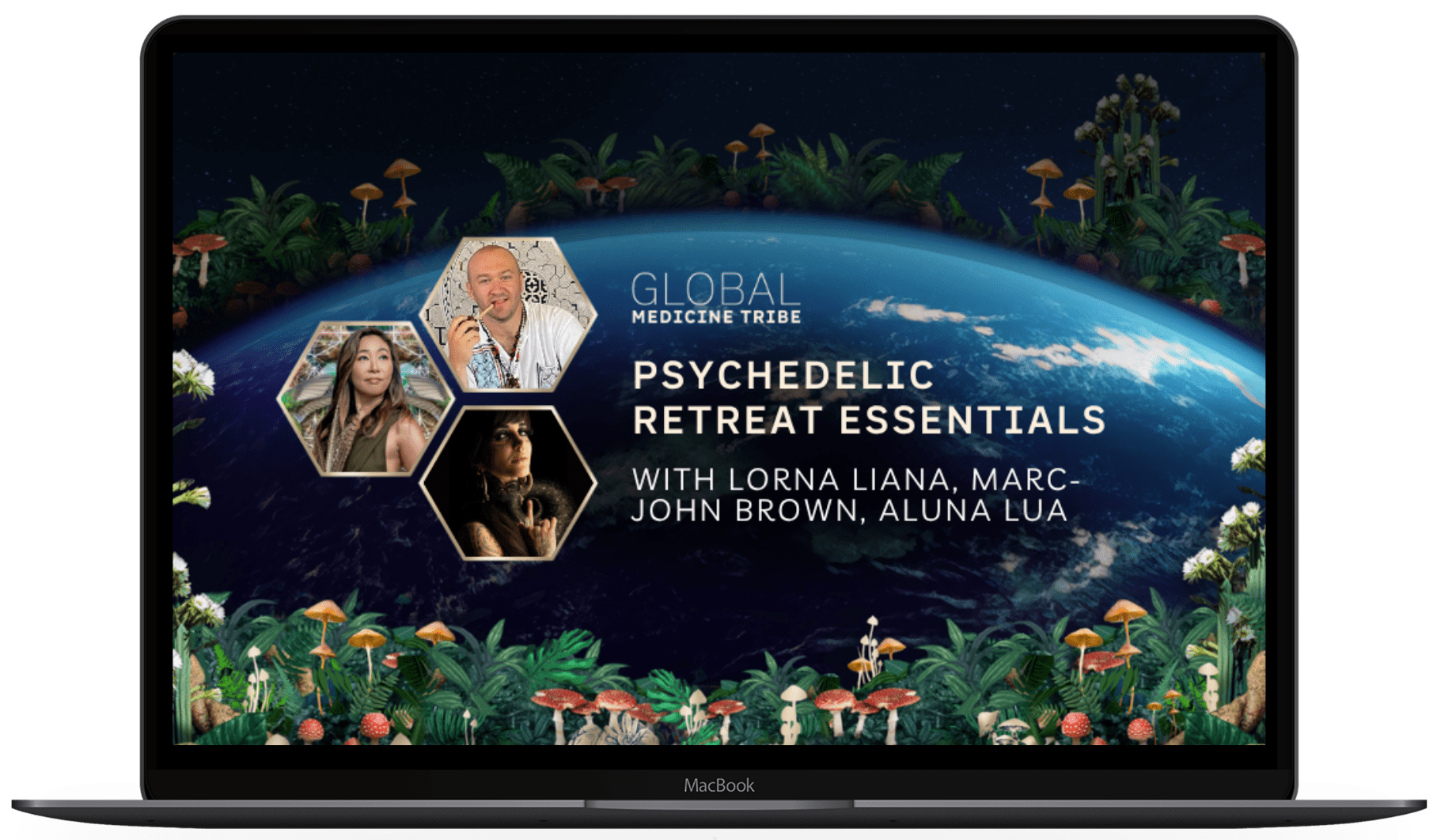
Psychedelic Retreat Essentials With Lorna Liana, Marc-John Brown, And Aluna Lua
Do you feel called to run psychedelic retreats that support client transformation, connection, and deep healing?
Gain the fundamentals of how to design, launch, and fill a profitable psychedelic retreat with care, integrity, and safety.
What You’ll Learn
🌿 How to create your ideal client avatar and your vision for your retreat from zero so that you can build a retreat that deeply resonates with your target audience and allows you to leverage your unique gifts as a facilitator
🌿 What to consider around transporting medicine and building relationships with indigenous wisdom keepers so you can act with care, integrity, and reciprocity, and continue these relationships for years to come
🌿The fundamentals of logistics, finances, and legal considerations so that you don’t face any unexpected scenarios and/or expenses that cause unnecessary stress
About the Facilitator
Deep in the heart of the Brazilian Amazon, Lorna “Liana” Li discovered her purpose and her divine calling while drinking visionary plant medicines with indigenous shamans. She was given a mission:
“To leverage emerging technologies to preserve indigenous traditions, so that ancient wisdom can benefit the modern world, and technology can empower indigenous people.”
In pursuit of this mission, Lorna became a new media strategist to sustainable brands, social ventures, and visionary entrepreneurs, helping them attract their tribe and ignite a movement around their mission-driven businesses. Through podcasting, video blogging, and social media, she shares the stories of both indigenous people and the world’s foremost experts in psychedelic science, modern shamanism, and consciousness research to inspire each and every one of us to explore the depths of our minds, spirits, planet…and evolve.
She has spent the past 20 years exploring shamanism, spirituality, and expanded states of consciousness through meditation, breathwork, and visionary medicines. She spent 3 years in a Tibetan meditation center, participated in 100+ ayahuasca ceremonies, and spends extended time in the restricted areas of the Brazilian Amazon as a guest of indigenous tribes.
Lorna created this course to address a growing concern around the use of visionary plant medicines, especially by Western participants. Traditional indigenous societies engaged in practices to prepare for and integrate experiences with psychoactive plant medicines, within a framework of support by the community, shamans, and elders.
With the explosion of interest in the West, coupled with inadequate preparation and integration, there is an alarming phenomenon of Westerners emerging from shamanic experiences worse than when they started.
Marc-John Brown
Marc-John is a practitioner of modern shamanism since 2008. These studies have taken him to work with tribal shamans of Colombia, Ecuador, Peru, Brazil, Mexico, Korea, and Malaysia. Among his many callings are: ceremony & retreat facilitation, plant medicine integration, coaching, teaching and mentoring, writing and public speaking, indigenous capacitation, liaison, and advocacy.
Aluna Lua
Aluna Lua is a Brazilian plant medicine priestess and trusted advocate of the Brazilian indigenous people. She is a dedicated lightworker, fully devoted to serving the community as an entheogen educator, lifestyle artist, and master of ceremony.
Lua has spent time with multiple indigenous tribes across the Americas and has been a student of different plant medicine cultures for the last twelve years. She embodies her messages and teachings in and through a professional expression of multidimensional art sharing her angelic voice and sacred dance.
