
As more people turn to microdosing for emotional healing, nervous system support, and self-awareness, practitioners are being asked to hold increasingly nuanced spaces for transformation. One of the most important decisions a facilitator can make is choosing the right coaching container for each client.
Understanding group coaching vs. one-on-one support is about far more than structure or scalability. The container itself influences how emotionally safe a client feels, how vulnerable they are willing to become, and how effectively they integrate insights over time. For practitioners, learning to discern which environment best supports each individual is an essential part of ethical and trauma-informed facilitation.
One-on-One Coaching Offers Personalized and Trauma-Informed Support
One-on-one coaching provides a highly personalized level of care that many clients deeply benefit from during a microdosing journey. Individual sessions allow practitioners to adapt pacing, communication styles, and integration practices to each client’s emotional capacity and nervous system responses.
This approach can be especially supportive for clients navigating trauma, grief, emotional overwhelm, medication transitions, or major life changes. In private settings, clients often feel safer exploring vulnerable material that may not yet feel accessible in a group environment. For practitioners, this depth of relational work also strengthens emotional attunement, pattern recognition, and the ability to hold space with greater compassion and discernment.
- What becomes possible when your clients feel truly safe, supported, and deeply seen throughout their microdosing journey?
- How might your work evolve with a more trauma-informed understanding of group and one-on-one healing containers?
- Are you being called to facilitate microdosing work with greater clarity, discernment, and ethical care?
With nearly three decades of healing arts experience, Kayse Gehret teaches ethical, client-centered approaches to microdosing support and integration.
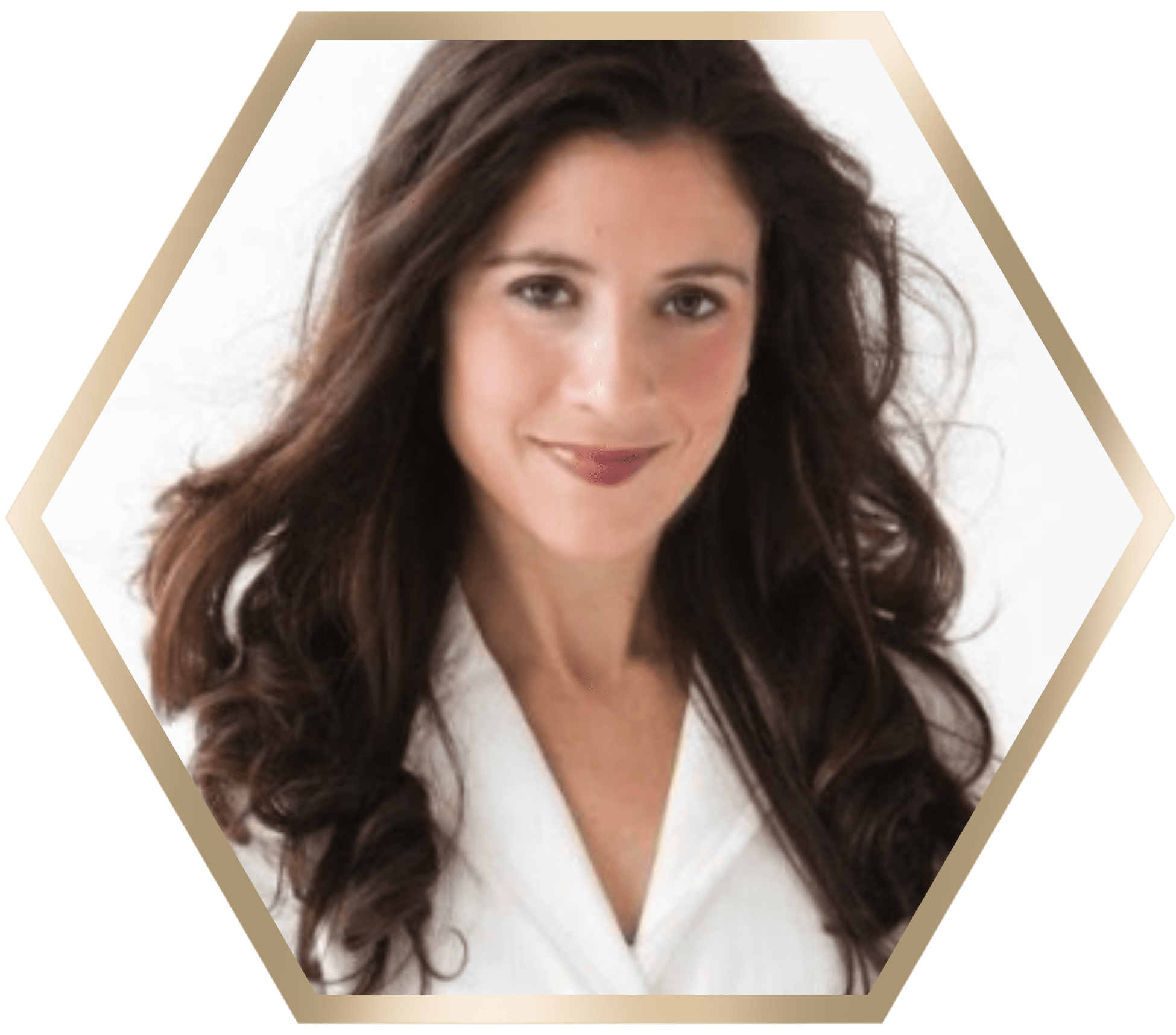
Expand your ability to choose safer, more supportive microdosing containers for each client’s healing path?
Study How To Incorporate Microdosing Into Your Coaching Or Therapy Practice: A Guide To Transformation with Kayse Gehret and gain grounded guidance for weaving microdosing into ethical, client-centered care.
A Microdosing Group Program Can Foster Connection and Shared Healing
A thoughtfully facilitated microdosing group program offers something many people are actively seeking: community, validation, and the experience of being witnessed by others on a similar path. Group spaces can reduce feelings of isolation by helping participants realize that emotional breakthroughs, uncertainty, and resistance are all normal parts of healing.
Groups also expose clients to a wider range of healing experiences and perspectives. One participant may move through grief, while another experiences increased creativity or emotional openness. Witnessing these differences helps clients release rigid expectations about what healing “should” look like and encourages greater self-compassion throughout the process. Ethical group facilitation, however, requires strong boundaries, trauma-informed leadership, confidentiality agreements, and clear referral pathways when participants need additional support.
Coaching Models Comparison: Matching the Container to the Client
A thoughtful comparison of coaching models reveals that there is no universally superior approach between private and group support. Some clients thrive in community-based environments where accountability and shared reflection help reduce shame and build trust. Others require slower pacing and more individualized attention, especially when navigating complex trauma or heightened emotional sensitivity.
Many experienced facilitators eventually combine both approaches in hybrid models that include private coaching alongside community-integration spaces. This flexibility allows practitioners to respond to evolving client needs rather than placing everyone into the same structure. The most effective coaching container is not necessarily the most scalable or polished one. It is the one that helps clients feel emotionally safe enough to engage honestly with themselves and their healing process.
As psychedelic-informed care continues to evolve, practitioners have an opportunity to model a more grounded and ethical approach to support. Whether through private coaching, group facilitation, or hybrid models, the goal remains the same: creating spaces where clients feel safe, seen, and supported as they move through meaningful transformation.
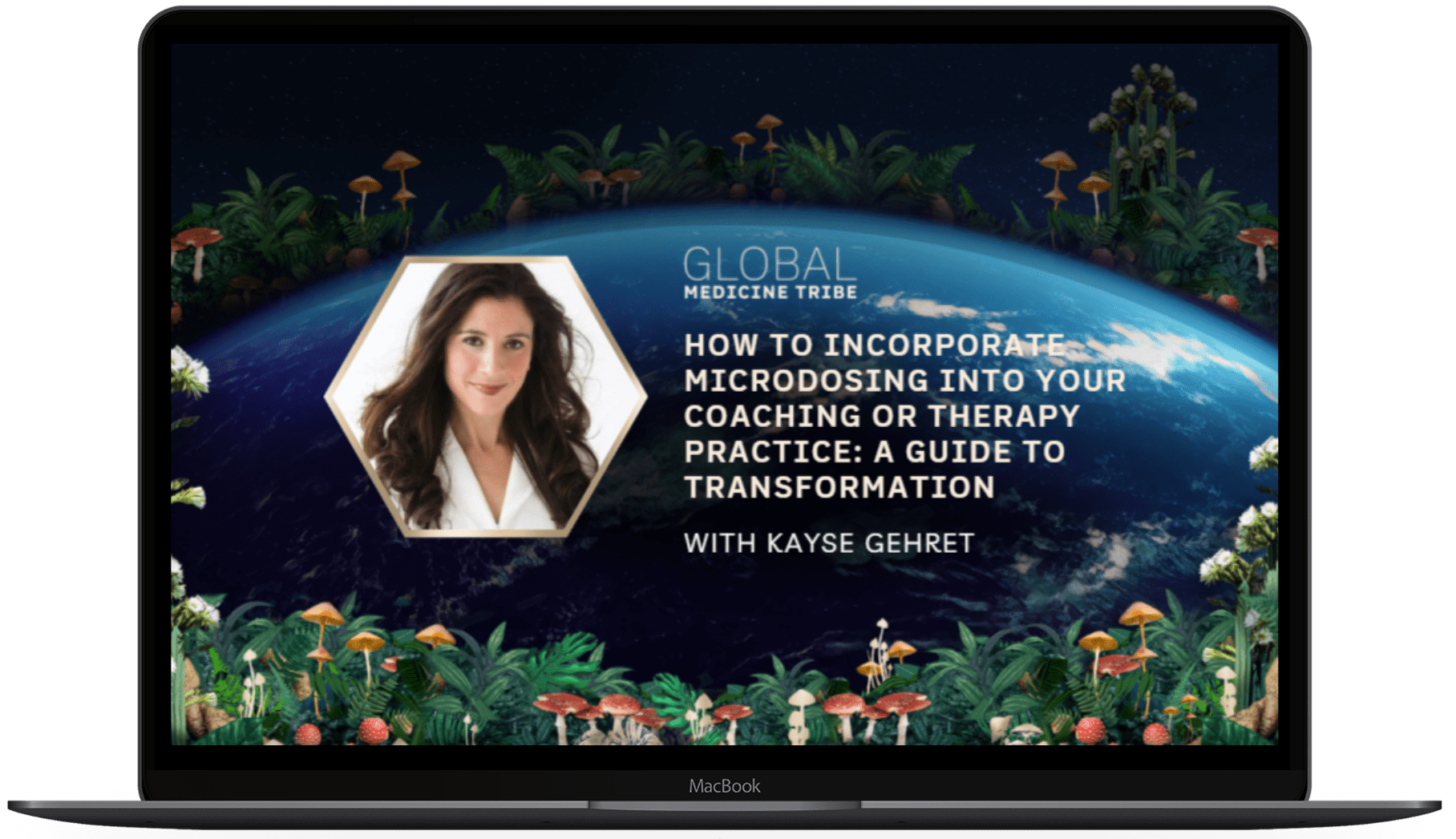
How To Incorporate Microdosing Into Your Coaching Or Therapy Practice: A Guide To Transformation
Learn how to responsibly integrate microdosing into client-centered coaching and therapy work while creating safer, more ethical containers for healing and transformation.
What You’ll Learn
🌿 Why Become a Microdosing Coach
🌿 Legality & Safety
🌿 How to Incorporate Microdosing into Your Practice
🌿 Overcoming Stigma & Judgment
🌿 Microdosing Protocols & Practices
About the Facilitator
Kayse Gehret is a nature-based healing artist, author, and founder based in Northern California. With nearly three decades of experience in the healing arts, Kayse leads Microdosing for Healing – a nationwide virtual community around earth medicine practice – as well as the Best Practices Healing Community Mastermind – a global collective of diverse healing artists & health professionals brought together for learning, strategy, growth, collaboration, and visioning new healing models for the future.
