
Ayahuasca ceremony dangers are rarely discussed with the nuance they deserve. In many circles, conversations swing between idealization and fear, missing the practical reality in between. If you are committed to becoming a skilled and ethical plant medicine practitioner, safety is not an accessory to this work; it is the foundation. The real risks are not sensational. They are subtle, relational, medical, and structural. And they are preventable with the right level of training and accountability.
Psychological Vulnerability Is the Real Risk Landscape
Ayahuasca places participants in a highly suggestible, emotionally intensified state. This is what makes the work powerful and what makes it volatile. Dissociation, paranoia, spiritual grandiosity, and intense projection can arise even in psychologically stable individuals. For those with a personal or family history of psychosis or bipolar disorder, the risk increases significantly. Psychological destabilization is one of the most common yet underestimated Ayahuasca ceremony dangers.
As a facilitator, you are not simply holding space; you are entering an amplified relational field. Transference accelerates. Participants may idealize you, romanticize you, or interpret internal insight as external authority. One of the most overlooked risks is the facilitator’s unconscious participation in these dynamics. Psychedelic harm reduction at a professional level requires rigorous psychological screening, clear agreements about delaying major life decisions, and structured integration support. Trauma-informed care means reducing dependency, reinforcing autonomy, and helping participants metabolize insight slowly rather than amplifying urgency.
- As a coach, therapist, or ceremony guide, are you fully prepared for the psychological volatility that can emerge under your care?
- If you are serving plant medicine, have you examined the medical, relational, and legal risks that may already be present in your ceremonial container?
- What responsibility are you willing to take to ensure your integrity, boundaries, and safety standards match the depth of work you facilitate?
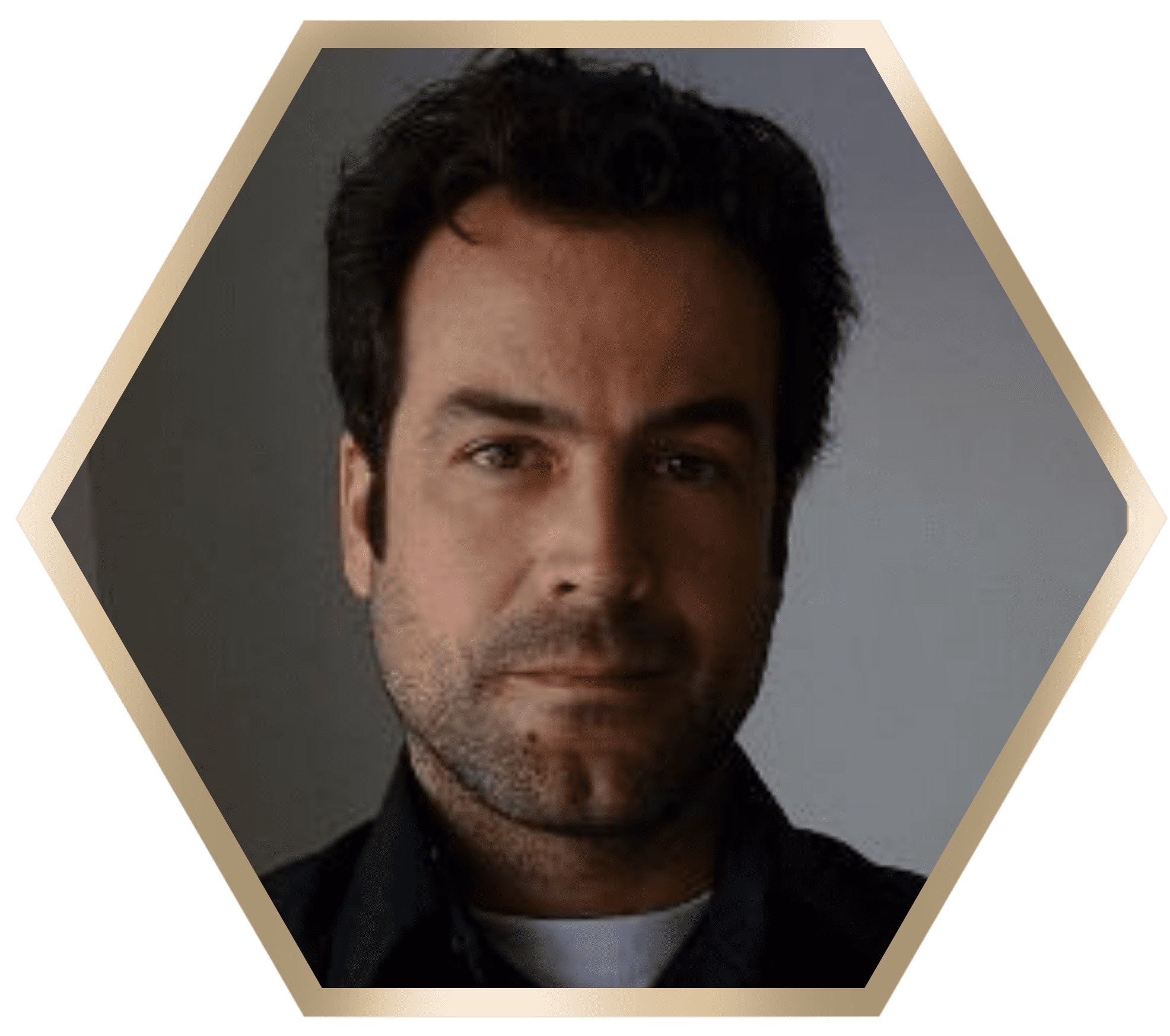
Jerónimo Mazarrasa, Social Innovation Coordinator for ICEERS and founding member of Plantaforma, has dedicated years to advancing safe, legal ceremonial practice.
Ready to strengthen your ceremony safety skills and navigate complex psychological, medical, and ethical risks with greater clarity?
Transform your practice in Ayahuasca Ceremony Safety & Harm Reduction with Jerónimo Mazarrasa and build the clinical awareness, boundary-setting discipline, and harm-reduction frameworks that protect both you and your participants.
Medical Literacy Is Non-Negotiable
If you serve ayahuasca, you are working with a pharmacologically active substance. Ayahuasca side effects can include nausea, vomiting, elevated heart rate, blood pressure changes, anxiety, tremors, and, in rare cases, serotonin toxicity. Because ayahuasca contains monoamine oxidase inhibitors, combining it with SSRIs, SNRIs, stimulants, MDMA, cocaine, or certain antidepressants can create dangerous interactions. These are foreseeable variables, not rare anomalies.
Ayahuasca safety requires more than a signed waiver. It requires understanding cardiovascular risk, medication contraindications, recent substance use, and emergency response protocols. In extreme cases, dissociation can escalate into agitation or violence. Attempting to restrain someone without proper training can cause injury; failing to intervene can endanger the group. Professional facilitators prepare quietly and thoroughly. They have containment plans, trained assistants, secondary spaces, and grounding protocols in place. Spiritual framing does not replace medical literacy. Mature practice integrates both.
Power, Boundaries, and Ethical Responsibility
Many Ayahuasca ceremony dangers arise not from the brew itself but from power dynamics within the ceremonial container. Participants are open, vulnerable, and highly impressionable. Facilitators often operate in legally ambiguous and loosely regulated environments. This combination requires exceptional boundary clarity and discipline.
Romantic or sexual relationships that begin inside the ceremonial space are ethically compromised by power imbalance, even when feelings appear mutual. Altered states distort perception, attachment, and consent. Cultural responsibility is equally essential. Adopting aesthetic elements of lineage does not transmit accountability. Respecting the medicine includes acknowledging origins, honoring teachers, and resisting extraction. In largely unregulated ecosystems, collective Ayahuasca safety depends on peer networks, shared standards, transparent ethics, and ongoing supervision. The strength of your boundaries determines the safety of your container.
Ayahuasca ceremony dangers are not an argument against this work. They are a call to professional evolution. If you want to be trusted in this field long term, prioritize trauma-informed care, rigorous screening, ethical clarity, and cultural humility. Develop discipline before expansion and accountability before visibility. Ayahuasca safety is not built through charisma or intensity. It is built through maturity, structure, and the quiet consistency of doing things well when no one is watching.
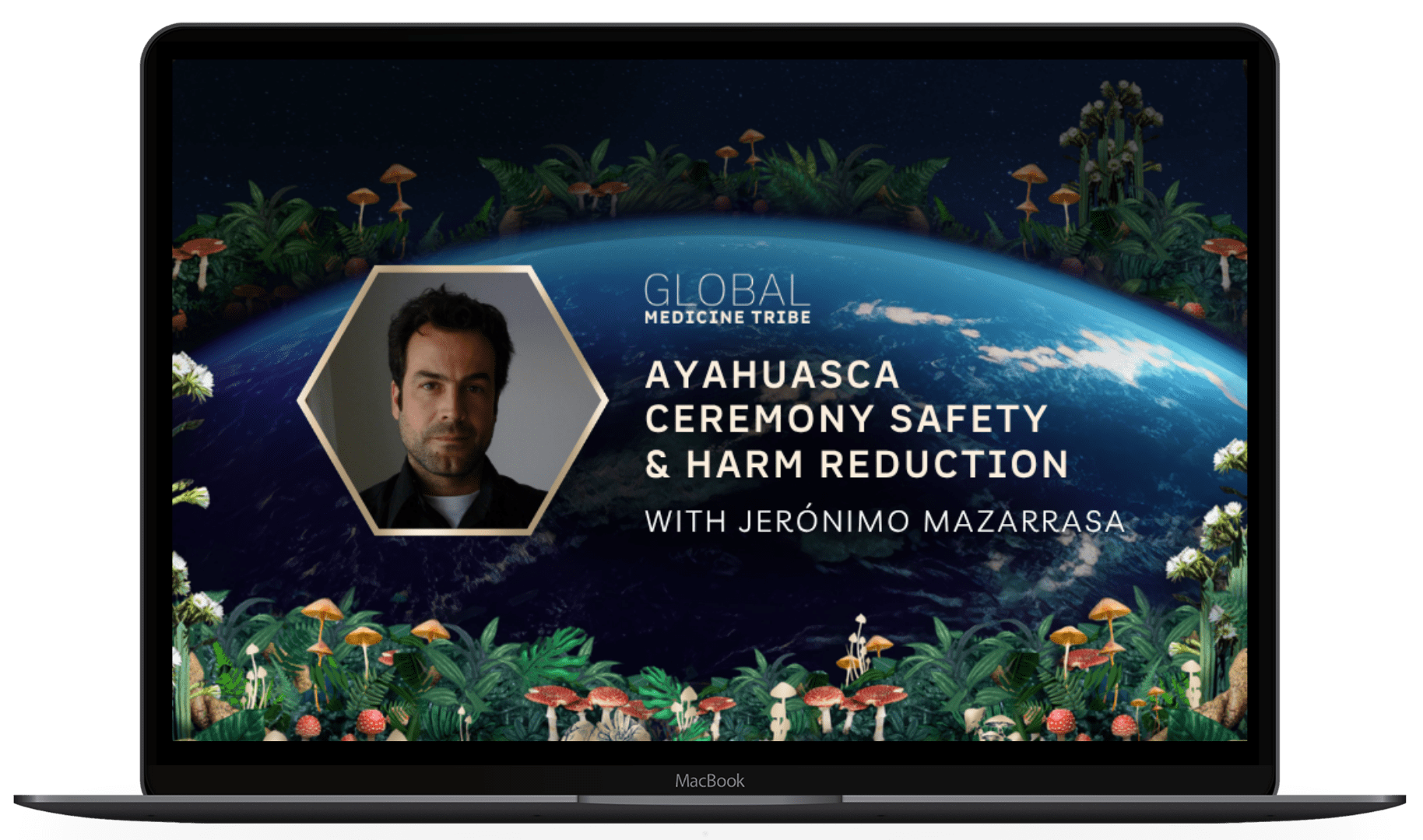
Ayahuasca Ceremony Safety & Harm Reduction
Deepen your knowledge of the issues that arise in plant medicine ceremonies and enhance your skills as a facilitator to safely guide others through transformational experiences. Expert-led training to help you navigate physical, psychological, and legal challenges with clarity and responsibility.
What You’ll Learn
🌿 Best practices for participant safety, recounted through case studies of psychotic breakdowns, runaway journeyers, and challenging visions, so you are prepared to navigate the many challenges that arise in plant medicine ceremonies.
🌿 How to ensure safety as a guide or facilitator, including navigating the traps of intercultural relationships, sex, money, and power dynamics.
🌿How to strengthen your work with validated physical, psychological, and legal security protocols while contributing to a safe, inclusive, and diverse medicine community in right relationship to ancestral cultures.
About the Facilitator
Jerónimo is an ayahuasca community activist. He works as the Social Innovation Coordinator for ICEERS and is a founding member of Plantaforma (Platform for the Defense of Ayahuasca in Spain). Over the past five years, he has devoted most of his energy to exploring how ceremonial plant practices can be legally and safely integrated outside of their cultures of origin.
