
For aspiring and experienced facilitators alike, guiding ceremonies involves more than creating meaningful experiences. It also requires recognizing how psychedelic abuse can emerge in healing environments. Ayahuasca ceremonies place participants in deeply open and suggestible states where emotional insights, memories, and personal narratives can surface with unusual intensity. This vulnerability is often what allows profound healing to occur. At the same time, it creates conditions where ethical boundaries must be especially clear.
For practitioners working in ceremony or integration spaces, understanding the patterns that lead to ayahuasca abuse is essential for protecting participants and preserving the integrity of plant medicine work. These risks rarely appear as obvious misconduct at first. Instead, they often develop gradually through subtle shifts in authority, admiration, and influence. When facilitators understand how power dynamics in psychedelic spaces evolve, they can create structures that support safety and accountability while preventing harm in plant medicine.
Isolation and the Hidden Risks of Authority
Facilitators often occupy a unique role in the ceremony. Participants arrive seeking guidance, emotional safety, and support through deeply personal experiences. Over time, this position naturally places the facilitator in a role of authority. While leadership is necessary in ceremonial settings, it can also create isolation.
As facilitators gain experience, participants may attribute their healing experiences to the guide rather than to the medicine, the environment, or their own internal process. This admiration can unintentionally reinforce authority in ways that distort power dynamics in psychedelic spaces. Without intentional systems of accountability, facilitators may slowly become separated from peers who could offer honest feedback.
Maintaining connection with trusted colleagues, mentors, and communities of practice is therefore an essential safeguard against psychedelic abuse. Regular dialogue with other practitioners helps ensure that facilitators remain grounded and reflective about their role. Healthy accountability protects both the practitioner and the participants who trust them with vulnerable experiences.
- Are you a coach, therapist, or plant medicine practitioner seeking clearer frameworks to navigate power, responsibility, and participant vulnerability in ceremony?
- Do you want to strengthen the safety and ethical foundations of the spaces you hold for healing and transformation?
- Are you ready to deepen your capacity to guide psychedelic experiences with greater accountability, integrity, and care?
Jerónimo Mazarrasa, Social Innovation Coordinator at ICEERS and founding member of Plantaforma, leads this workshop on navigating safety and ethics in plant medicine ceremonies.
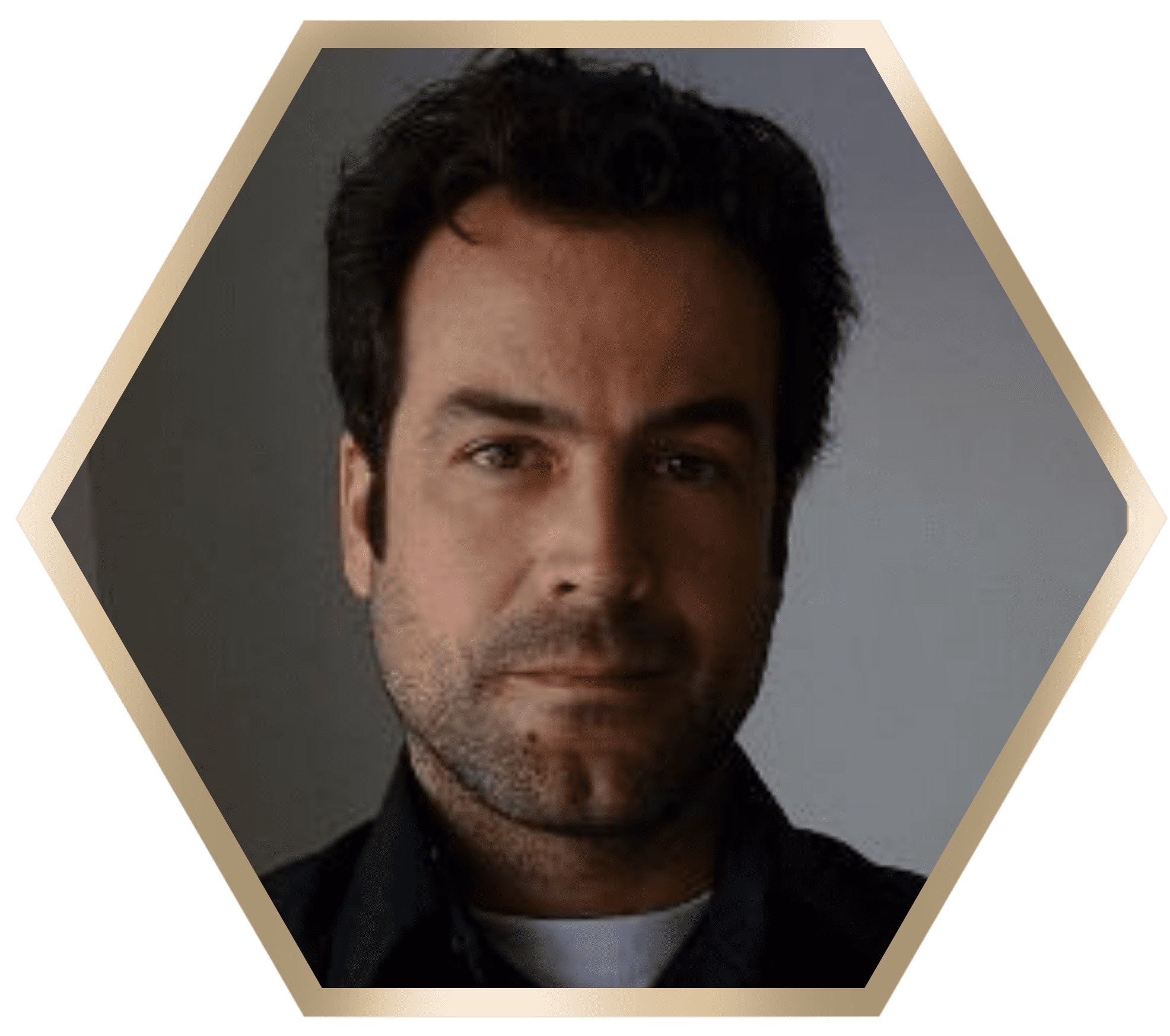
Understand the roots of safety challenges in ayahuasca ceremonies before they quietly turn into harm?
Dive into Ayahuasca Ceremony Safety & Harm Reduction with Jerónimo Mazarrasa and learn practical frameworks for participant screening, spotting facilitator red flags, and supporting safer plant medicine ceremonies.
Gratitude, Money, and Ethical Boundaries
Another area where ayahuasca abuse patterns can develop involves financial relationships. After meaningful ceremonies, participants often feel a strong sense of gratitude toward the people who held the space for their experience. In this emotional afterglow, they may offer additional payments, gifts, or other forms of support.
Although these gestures may appear generous, participants are often still in a heightened emotional state when making such offers. Accepting extra compensation during this period can unintentionally take advantage of a participant’s vulnerability. What seems like appreciation may actually be influenced by the powerful psychological openness created during the ceremony.
For practitioners committed to preventing harm in plant medicine, clear financial agreements established before the ceremony are essential. Transparent pricing and boundaries help maintain a balanced relationship between participant and facilitator. By honoring those agreements and avoiding additional financial exchanges during vulnerable moments, practitioners protect participants while preserving the ethical foundation of their work.
Discipline, Cultural Respect, and Responsible Facilitation
Understanding power dynamics in psychedelic spaces also requires acknowledging the depth of training traditionally associated with plant medicine work. In many indigenous traditions, preparing to serve medicines involves years of disciplined apprenticeship. These training paths are designed not only to teach techniques but to cultivate humility, restraint, and ethical responsibility.
Through long periods of mentorship and personal discipline, practitioners learn to navigate admiration, influence, and authority without becoming attached to them. This training builds the emotional stability needed to guide others through powerful experiences safely. It also helps practitioners recognize the psychological projections that participants may place upon them during ceremonies.
When facilitators enter the field without developing this level of discipline, the influence associated with guiding ceremonies can become difficult to manage. Many cases of psychedelic abuse arise not from malicious intent but from facilitators who underestimate the psychological power their role carries. Respecting traditional knowledge, therefore, involves more than adopting ceremonial aesthetics or rituals. It means recognizing the depth of training and responsibility that supports ethical facilitation.
Plant medicine work can open doors to profound healing, but it also carries real responsibility for those who hold ceremonial space. The same vulnerability that allows deep insight can also create conditions where psychedelic abuse patterns emerge if facilitators are not attentive to power, boundaries, and accountability. By staying connected to peer communities, maintaining clear financial and ethical agreements, and approaching the work with humility and discipline, practitioners help preserve the integrity of ayahuasca ceremonies. In doing so, they protect not only participants but the trust that allows plant medicine to remain a path of genuine healing rather than harm.
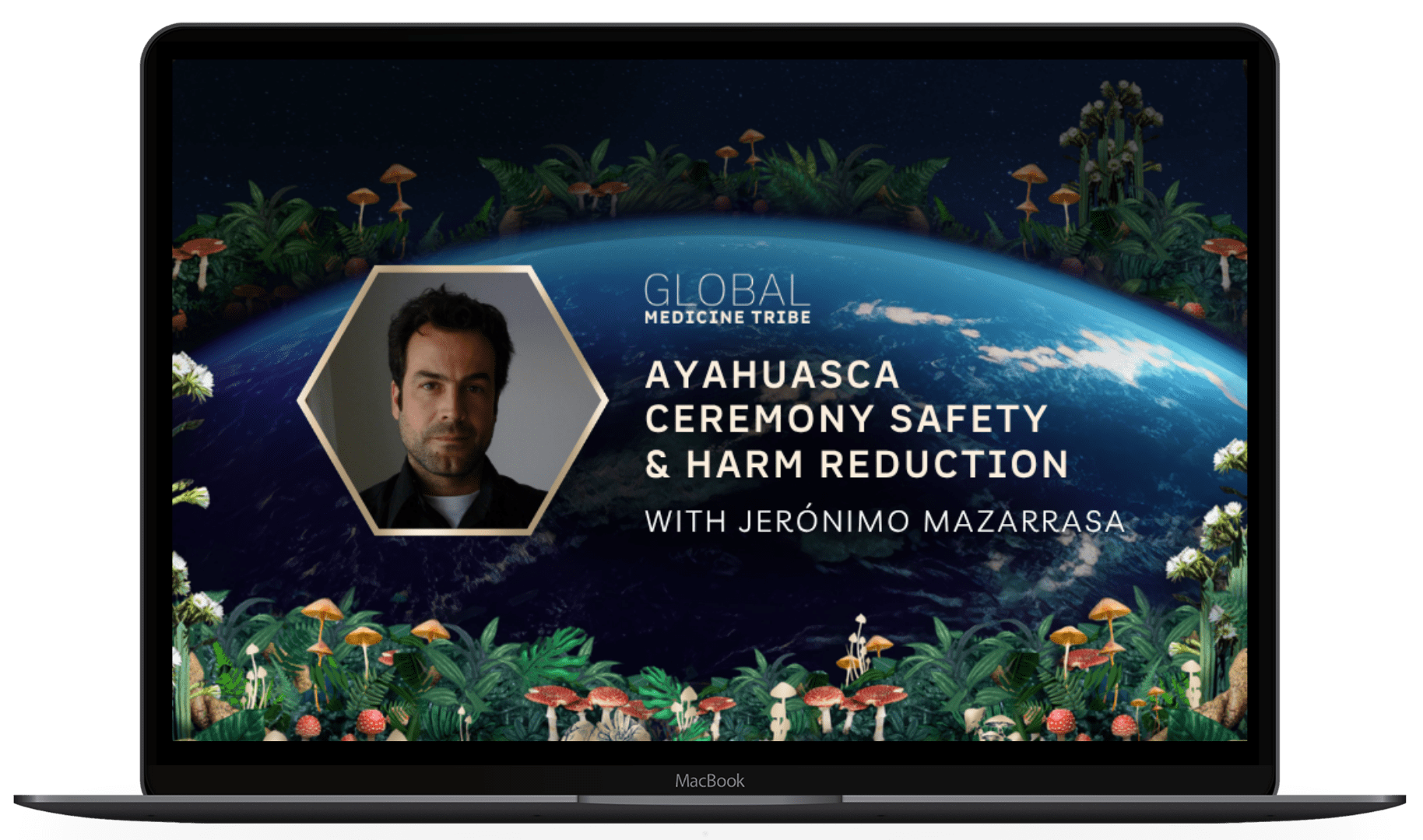
Ayahuasca Ceremony Safety & Harm Reduction
Build a clearer understanding of the real challenges that emerge in plant medicine ceremonies, and apply practical frameworks to safeguard participants and guide experiences with responsibility.
What You’ll Learn
🌿 Best practices for participant safety, recounted through case studies of psychotic breakdowns, runaway journeyers, and challenging visions, so you are prepared to navigate the many challenges that arise in plant medicine ceremonies.
🌿 How to ensure safety as a guide or facilitator, including navigating the traps of intercultural relationships, sex, money, and power dynamics.
🌿How to strengthen your work with validated physical, psychological, and legal security protocols while contributing to a safe, inclusive, and diverse medicine community in right relationship to ancestral cultures.
About the Facilitator
Jerónimo is an ayahuasca community activist. He works as the Social Innovation Coordinator for ICEERS and is a founding member of Plantaforma (Platform for the Defense of Ayahuasca in Spain). Over the past five years, he has devoted most of his energy to exploring how ceremonial plant practices can be legally and safely integrated outside of their cultures of origin.
