
As interest in plant medicine continues to expand, many aspiring and experienced practitioners are looking beyond psychedelics to better understand other traditional healing practices. One modality that has gained increasing attention is kambo, a secretion collected from the giant monkey frog, Phyllomedusa bicolor, native to the Amazon rainforest. While kambo is often grouped with psychedelic medicines, it is important to understand that it is not a psychedelic and produces a very different experience and physiological response.
So one thing I want to mention is that kambo is not ayahuasca’s sidekick. It’s its own superhero” – Caitlin Thompson
As public awareness grows, practitioners increasingly need a balanced understanding of kambo that integrates traditional knowledge, emerging science, and ethical practice. Exploring current findings related to kambo peptides, kambo benefits, and ongoing kambo research can help practitioners engage in more informed conversations while supporting client safety and autonomy.
Understanding Kambo Peptides and Their Biological Significance
One of the most fascinating aspects of kambo is its complex biochemical composition. The secretion contains numerous bioactive compounds known as peptides, which are short chains of amino acids that act as signaling molecules throughout the body. Researchers have identified dozens of peptide compounds and analogs within Phyllomedusa bicolor, many of which are believed to influence immune function, circulation, neurological communication, metabolism, and cellular repair.
So kambo contains extremely unique peptides that have all sorts of really powerful medicinal properties that we’re just at the surface of really understanding. – Caitlin Thompson
For practitioners, understanding kambo peptides provides a valuable scientific foundation for discussing the medicine responsibly. Rather than relying solely on anecdotal reports, practitioners can help clients understand that many of kambo’s physiological effects may be linked to these bioactive compounds. At the same time, research remains ongoing, and much is still unknown about their mechanisms, long-term effects, and therapeutic applications. Maintaining this balanced perspective helps strengthen practitioner credibility while supporting informed consent.
- Are you feeling called to deepen your capacity to support healing through the responsible and ethical use of Kambo?
- Could a stronger understanding of Kambo’s science, safety protocols, and practitioner responsibilities help you better serve those who trust you with their healing journey?
- What might become possible for your clients and your practice if you approached Kambo work with greater confidence, integrity, and respect for its traditions?
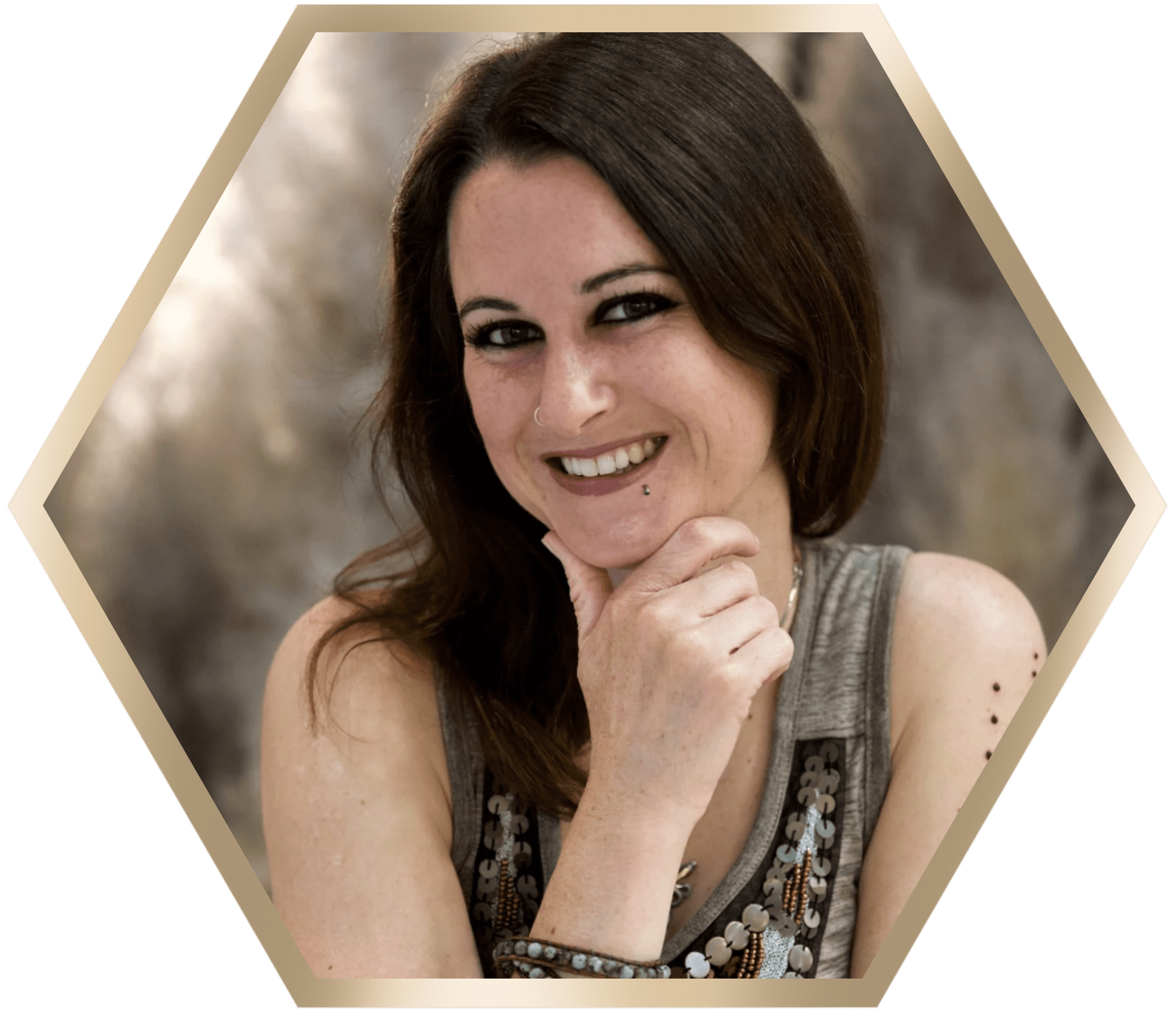
This workshop is led by Caitlin Thompson, a neurobiologist, UCSD research associate, and pioneering researcher of the first human Kambo studies.
Ready to deepen your understanding of the science, safety, and ethics behind Kambo practice?
Step into the service with The Path to Becoming a Kambo Practitioner and Caitlin Thompson, to deepen your understanding of Kambo safety, ethics, peptides, indigenous roots, and practitioner responsibilities.
responsibilities.
Exploring Kambo Benefits Through an Evidence-Informed Lens
Discussions about kambo benefits often include reports of increased mental clarity, enhanced energy, emotional release, improved resilience, and a greater sense of overall well-being. Many individuals also seek kambo as part of a broader healing journey when they feel stuck, disconnected, or challenged by ongoing physical or emotional concerns.
While these experiences continue to generate interest, current kambo research remains in its early stages. Human studies are limited, and more rigorous clinical investigation is needed before definitive therapeutic claims can be made. For practitioners, distinguishing between reported experiences and scientifically established outcomes is essential. A trauma-informed approach encourages curiosity while avoiding exaggerated promises, helping clients explore possibilities with realistic expectations and a greater sense of empowerment throughout their healing process.
Kambo for Chronic Illness, Safety, and Ethical Stewardship
Interest in kambo for chronic illness has grown significantly in recent years. Individuals living with autoimmune conditions, chronic inflammatory disorders, persistent infections, chronic pain, and other long-term health challenges often seek complementary approaches when conventional treatments have not fully addressed their needs. Reports of positive experiences have contributed to growing scientific and clinical curiosity, though further research is needed to better understand potential applications and limitations.
Responsible practice, however, extends beyond potential outcomes. Kambo can produce intense physiological effects and is not appropriate for everyone. Thorough screening, informed consent, awareness of contraindications, and appropriate referrals are essential components of ethical facilitation. Practitioners must also recognize the cultural origins of kambo and approach this work with humility, respect, and a commitment to sustainability.
It’s incredibly important that we educate providers and participants to keep people safe, uh, as well as preserving the jungle, the frogs, and the people who’ve held this medicine for centuries, if not millennia. – Caitlin Thompson
As interest in kambo continues to grow, practitioners have an opportunity to serve as thoughtful stewards of this emerging field. Understanding the science behind kambo peptides, maintaining an evidence-informed perspective on kambo benefits, and approaching discussions of kambo for chronic illness with both curiosity and caution can help create safer and more effective client experiences. By prioritizing education, cultural respect, informed consent, and harm reduction, practitioners can support meaningful healing journeys while contributing to a more ethical and sustainable future for kambo.
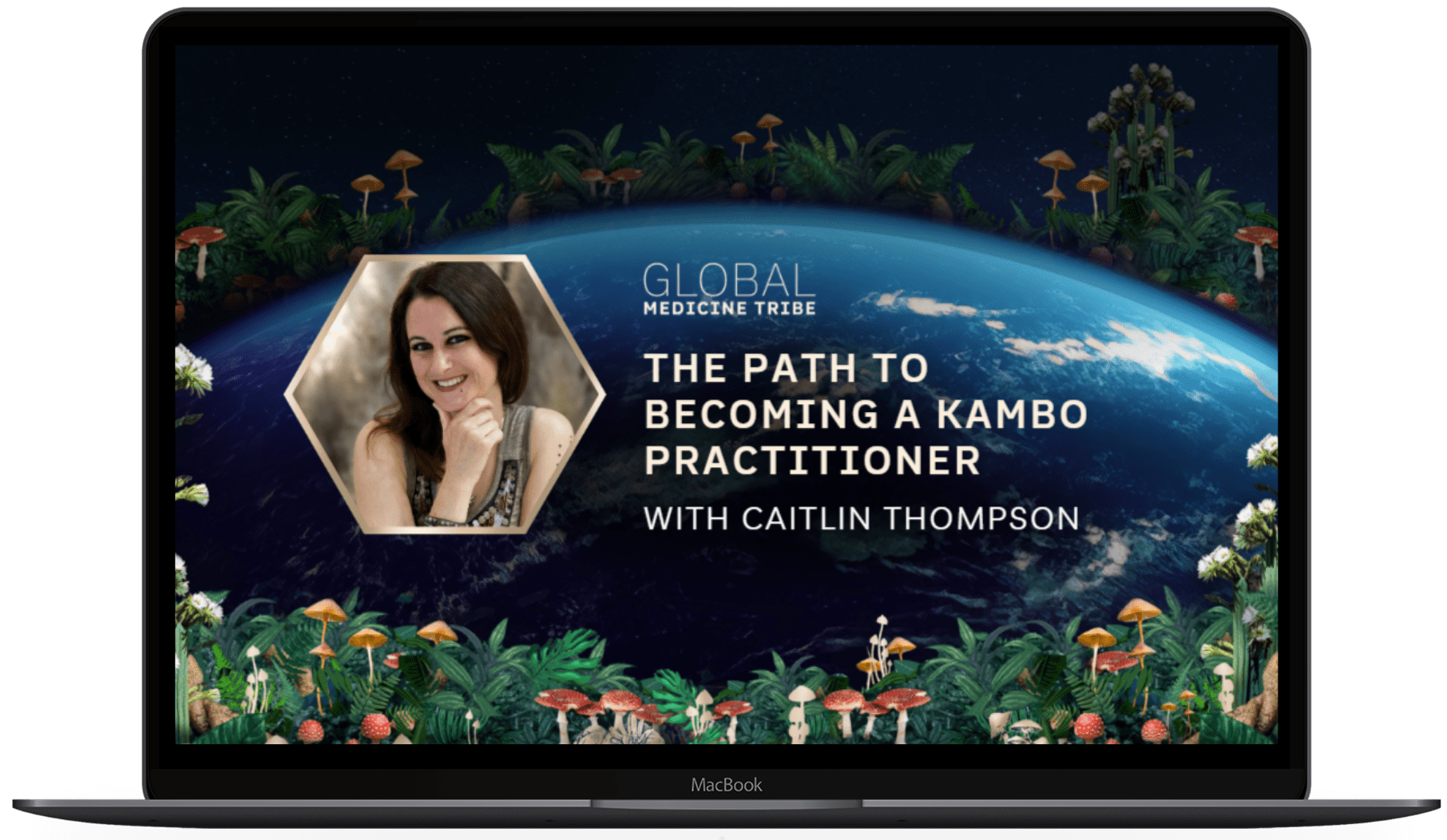
The Path to Becoming a Kambo Practitioner
Learn the safety protocols, ethical foundations, and scientific principles required to work with Kambo responsibly.
Gain a deeper understanding of practitioner responsibilities, indigenous roots, and the role of Kambo in supporting healing journeys.
What You’ll Learn
🌿 What exactly is Kambo, and how does it differ from psychedelic medicines?
🌿 How Kambo works through a scientific lens and the power of its peptides.
🌿What it means to be a Kambo practitioner and how to integrate safety, ethics, and integrity into your practice
About the Facilitator
Caitlin Thompson is a seasoned international Kambo practitioner, having served over 1,800 clients with a specialty in Lyme disease, autoimmune conditions, and other chronic illnesses.
Caitlin is formally educated as a neurobiologist and is a research associate at UCSD School of Medicine. She operates as an independent scientific researcher pioneering the first human studies on Kambo.
Caitlin has been featured in over 80+ podcasts, interviews, conferences, speaking engagements, and even international television appearances as a leading Kambo expert.
