
Kambo is attracting growing interest among people seeking personal growth, emotional healing, and support for chronic health challenges. While many participants report meaningful experiences, kambo’s powerful physiological effects make safety an essential consideration. Whether you’re considering a session or training as a practitioner, understanding kambo safety, screening, contraindications, and side effects helps create a more informed and responsible approach.
Why Kambo Screening Matters
It’s so easy to screen someone for various health concerns that could be like a life or death situation, and there’s really no reason not to do it. – Caitlyn Thompson
Comprehensive kambo screening is one of the most important safeguards available to both participants and practitioners. Screening helps identify medical conditions, medications, mental health concerns, and other factors that may increase risk during a session. For participants, a thorough screening process demonstrates that a practitioner prioritizes safety and informed consent rather than rushing into treatment.
For practitioners, effective kambo screening is a foundational professional skill. Every participant arrives with a unique health history, making individualized assessment essential. A trauma-informed screening process also helps build trust and encourages honest communication, allowing practitioners to make better decisions that support participant wellbeing.
- Have you felt called to explore Kambo for personal healing, or to one day serve this medicine, and want to better understand its safety, risks, and responsibilities?
- As a coach, therapist, ceremony guide, or healing practitioner, are you seeking a deeper understanding of screening, contraindications, and responsible facilitation?
- Could strengthening your knowledge of Kambo help you better support those seeking physical, emotional, and spiritual healing?
Caitlin Thompson, a neurobiologist, UCSD School of Medicine research associate, and pioneering Kambo researcher, leads this training.
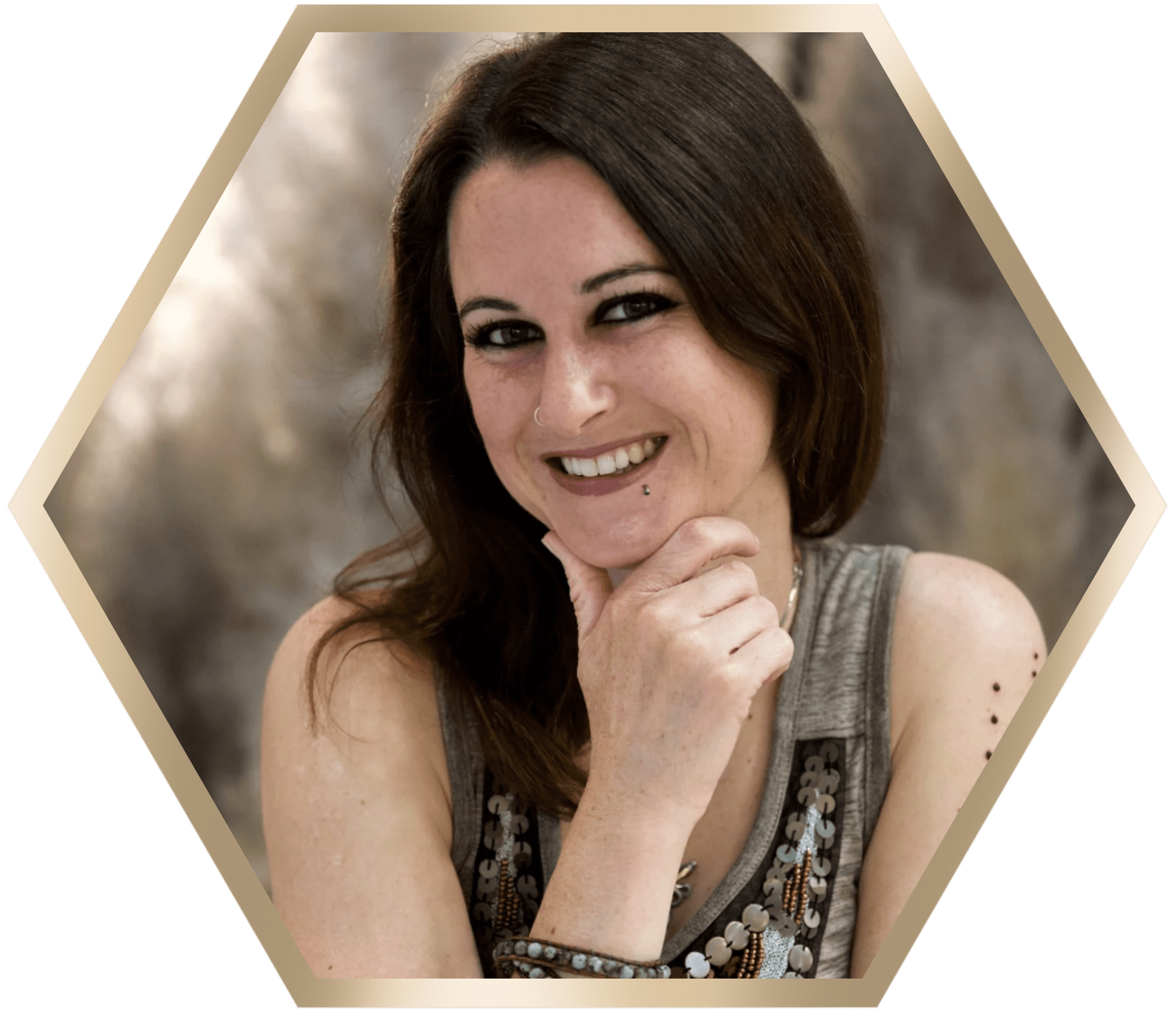
Commit to your calling and learn the safety, ethics, and responsibilities that support effective Kambo practice.
Walk the path of integrity with The Path to Becoming a Kambo Practitioner and Caitlin Thompson and gain a deeper understanding of screening, contraindications, science, ritual, and ethical practitioner responsibilities
Understanding Kambo Contraindications and Ethical Practice
Certain kambo contraindications require additional caution, referral, or avoidance of the medicine altogether. Pregnancy, significant cardiovascular concerns, a history of stroke or aneurysm, and severe psychiatric instability are examples of situations that warrant careful evaluation. Individuals with a history of psychosis or schizophrenia may also require special consideration due to the potential for destabilization.
I don’t really care for any dogma except the dogma of do no Harm. That is the only dogma I think is worth following. – Caitlyn Thompson
This principle reflects the heart of responsible kambo practice. Ethical practitioners understand that not every person is an appropriate candidate for every modality. Sometimes, the most supportive choice is to recommend an alternative path rather than proceed with a session. Prioritizing harm reduction, informed consent, and cultural respect helps create a safer and more ethical framework for the growing kambo community
Preparing for Kambo Side Effects
Open conversations about kambo side effects are essential for setting realistic expectations. Common acute effects may include flushing, sweating, nausea, vomiting, temporary swelling, increased heart rate, fatigue, and emotional release. While these responses are often expected within the experience, they can feel intense, particularly for first-time participants. Education and preparation help reduce uncertainty and support a more grounded experience.
And it is so imperative that we have practitioners with humility who value this thorough training and are gonna employ serious safety practices and sensitive space holding. – Caitlyn Thompson
Responsible facilitation extends beyond recognizing physical symptoms. Practitioners should be prepared to monitor participants, provide appropriate support, maintain professional boundaries, and recognize when additional medical care may be necessary. Training, humility, and attentive space-holding all contribute to safer and more supportive sessions.
Kambo is a powerful practice that deserves a thoughtful and informed approach. By understanding kambo safety, screening, contraindications, and potential side effects, both participants and practitioners can make decisions that prioritize well-being. A commitment to harm reduction, informed consent, ongoing education, and ethical responsibility helps create safer experiences and supports the long-term integrity of the kambo community.
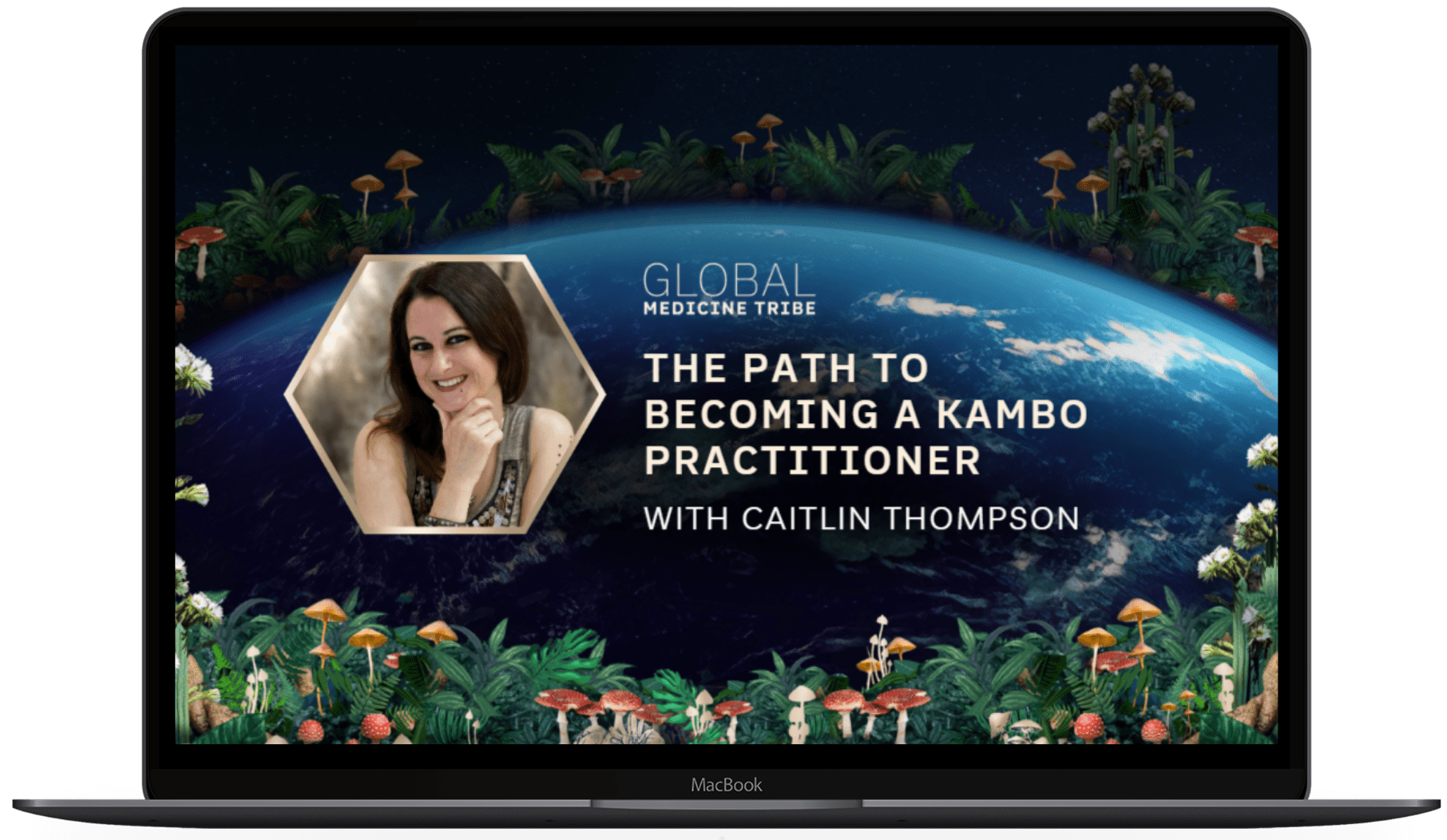
The Path to Becoming a Kambo Practitioner
Learn the foundations of safe, ethical, and integrity-driven Kambo practice.
Gain a deeper understanding of practitioner responsibilities, contraindications, science, and ritual.
What You’ll Learn
🌿 What exactly is Kambo, and how does it differ from psychedelic medicines?
🌿 How Kambo works through a scientific lens and the power of its peptides.
🌿What it means to be a Kambo practitioner and how to integrate safety, ethics, and integrity into your practice
About the Facilitator
Caitlin Thompson is a seasoned international Kambo practitioner, having served over 1,800 clients with a specialty in Lyme disease, autoimmune conditions, and other chronic illnesses.
Caitlin is formally educated as a neurobiologist and is a research associate at UCSD School of Medicine. She operates as an independent scientific researcher pioneering the first human studies on Kambo.
Caitlin has been featured in over 80+ podcasts, interviews, conferences, speaking engagements, and even international television appearances as a leading Kambo expert.
