
If you are facilitating ceremonies or preparing to step into this work, understanding Ayahuasca legality is part of your ethical responsibility. It directly impacts participant safety, informed consent, and the long-term sustainability of your practice. Many practitioners assume that because ayahuasca is plant-based or traditionally used, it must be legal. Others hear that it exists in a gray area and interpret that as permission. But when you are holding space for people in vulnerable states, assumptions are not enough. Ayahuasca and the law are complex, country-specific, and constantly evolving. Clarity is a core component of trauma-informed care and harm reduction.
Understanding International Law and Ayahuasca Legality
To understand Ayahuasca’s legality, it helps to begin with international drug control treaties. In 1971, DMT, the primary psychoactive compound in ayahuasca, was placed under international control through the United Nations Convention on Psychotropic Substances (1971). Pure DMT is widely prohibited under national laws aligned with this convention. However, the treaties did not explicitly schedule the plants that contain DMT. Unlike cannabis, coca leaf, and opium poppy, ayahuasca’s botanical ingredients were not globally banned as plants, creating a legal distinction between isolated compounds and traditional plant preparations.
This distinction is why the question Is Ayahuasca legal does not have a universal answer. In many countries, DMT as a substance is illegal, yet the brewed mixture may not be specifically mentioned in legislation. That does not automatically make it legal. It may sit in a gray area where courts interpret how the law applies. For facilitators, the gray area is not safe; it is uncertain. Responsible practice requires understanding this nuance before serving medicine.
Why Legal Clarity Is a Trauma-Informed Safety Issue
Working with ayahuasca places participants in vulnerable and highly suggestible states. Trauma-informed facilitation means reducing avoidable risks, including legal instability. If a ceremony is interrupted by law enforcement, participants may experience panic, retraumatization, or lingering distress associated with the medicine itself. Even the possibility of legal consequences can undermine psychological safety and trust.
Facilitators hold structural power. You choose the setting and assume the legal risk, while participants rely on your leadership. The answer to “Is Ayahuasca legal?” must be researched in the exact country and, often, the specific region where you operate. Ayahuasca’s legal status by country varies widely. Some nations allow limited religious use under court protection. Others criminalize possession or distribution. Consulting a qualified lawyer and communicating transparently about legal realities is not excessive caution; it is professional due diligence and part of ethical harm reduction.
- When you hold a ceremony, are you truly clear on the legal ground beneath your feet?
- Are you doing everything you can to protect your participants, not only psychologically, but legally and ethically?
- As a coach, therapist, or plant medicine guide, are you ready to steward this work with deeper safety, integrity, and awareness?
Jerónimo Mazarrasa, Social Innovation Coordinator at ICEERS and founding member of Plantaforma, has dedicated years to advancing legal and safe ceremonial integration.
Understand the roots of legal and safety risks before you hold the ceremony.
Join this training Ayahuasca Ceremony Safety & Harm Reduction with Jerónimo Mazarrasa and gain practical frameworks for physical, psychological, and legal safety in ceremony spaces.
Ayahuasca Legal Status by Country and Cultural Responsibility
When examining Ayahuasca’s legal status by country, you will notice that countries of origin often approach traditional use differently than Western nations. In parts of Brazil and Peru, certain ceremonial contexts have regulatory recognition or cultural protection. In contrast, many Western legal systems treat DMT as a controlled substance and may interpret ayahuasca brew as containing an illegal drug. Even if the plants themselves are not listed, authorities may focus on the presence of a scheduled compound.
A common misconception is that if ayahuasca is not explicitly illegal, it must therefore be legal. Absence of prohibition does not equal authorization. Indigenous communities have navigated criminalization and legal pressure for generations, and respecting lineage includes understanding the legal realities that surround these medicines. Professional integrity means staying informed, collaborating responsibly, and recognizing that legal clarity protects participants, facilitators, and the long-term sustainability of this work.
Ayahuasca legality is not about fear. It is about stewardship. When you hold a ceremony, you hold people at their most open. Legal clarity supports psychological safety. Cultural awareness supports ethical practice. Harm reduction extends beyond pharmacology into the legal and social realities that shape this work. As laws evolve, your responsibility remains steady: stay informed, seek legal counsel, communicate transparently, and let safety and respect guide every decision you make.
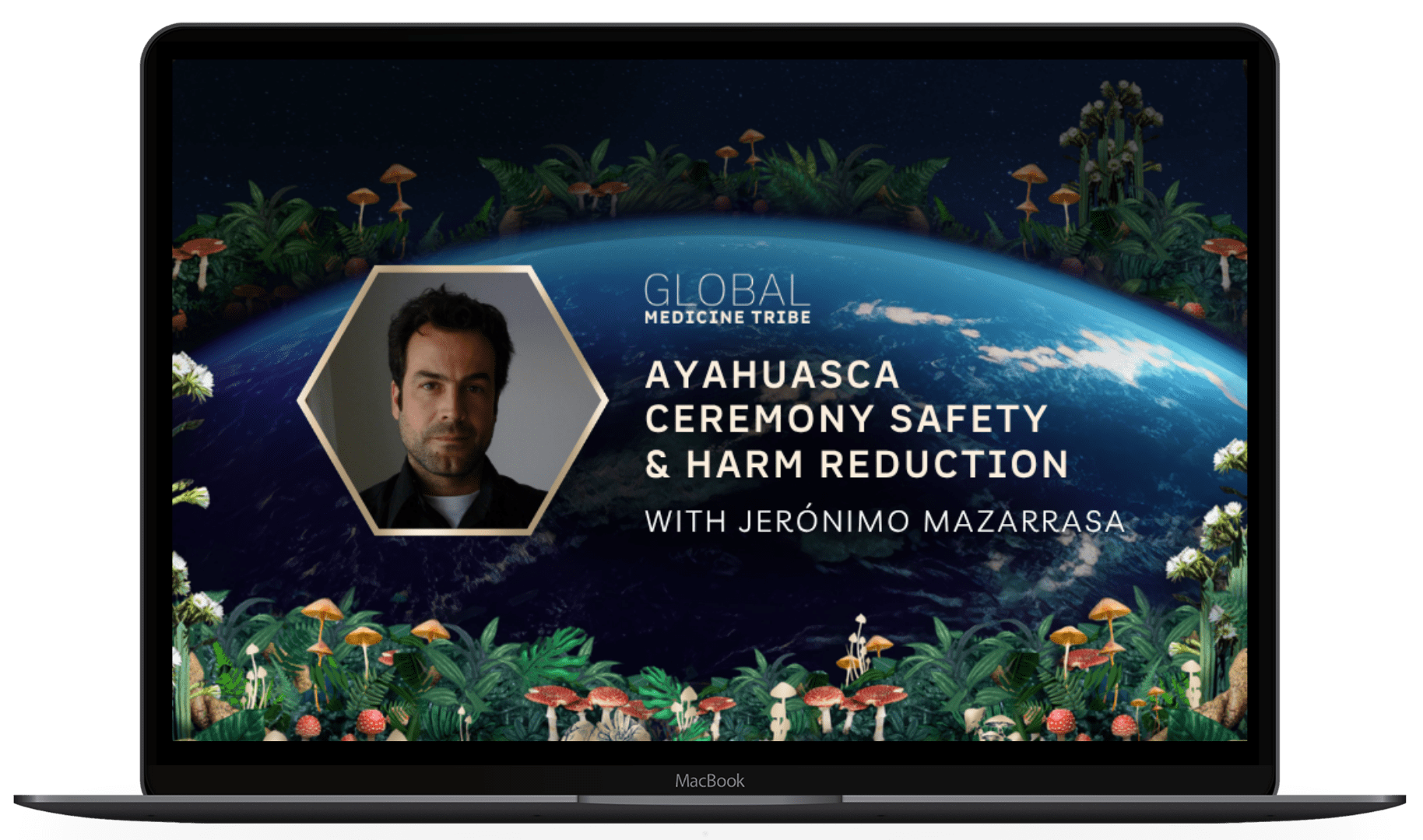
Ayahuasca Ceremony Safety & Harm Reduction
Deepen your knowledge of the issues that arise in plant medicine ceremonies and enhance your skills to safely guide others through transformational experiences.
Receive expert-led training adapted from a 60-hour course offered by ICEERS, including workshop recordings and bonus interviews to strengthen your facilitation practice.
What You’ll Learn
🌿 Best practices for participant safety, recounted through case studies of psychotic breakdowns, runaway journeyers, and challenging visions, so you are prepared to navigate the many challenges that arise in plant medicine ceremonies.
🌿 How to ensure safety as a guide or facilitator, including navigating the traps of intercultural relationships, sex, money, and power dynamics.
🌿How to strengthen your work with validated physical, psychological, and legal security protocols while contributing to a safe, inclusive, and diverse medicine community in right relationship to ancestral cultures.
About the Facilitator
Jerónimo is an ayahuasca community activist. He works as the Social Innovation Coordinator for ICEERS and is a founding member of Plantaforma (Platform for the Defense of Ayahuasca in Spain). Over the past five years, he has devoted most of his energy to exploring how ceremonial plant practices can be legally and safely integrated outside of their cultures of origin.
