
As interest in Kambo continues to grow, more practitioner training programs are becoming available. While many trainings teach the technical aspects of administration, safe and ethical facilitation requires a much broader skill set. For aspiring Kambo practitioners, plant medicine practitioners, and integration coaches, choosing a comprehensive training program is one of the most important decisions you can make.
Safety and Screening Must Come First
Screening water, drinking protocols, fainting protocols, and safety points are critical for serving people safely. – Caitlyn Thompson
A quality Kambo practitioner training should place safety at the center of the curriculum. Effective facilitation begins long before a ceremony takes place and includes thorough health screenings, identifying contraindications, obtaining informed consent, and understanding how to respond if complications arise. Training should also cover hydration protocols, cardiovascular considerations, participant monitoring, and emergency procedures.
This foundation is particularly important because clients often arrive with complex health histories, emotional challenges, or ongoing healing journeys. A practitioner who understands risk assessment and harm reduction is better equipped to make informed decisions that support participant wellbeing. Safety is not simply a module within a training program; it is the framework that supports every aspect of responsible practice.
- Are you a coach, therapist, plant medicine practitioner, ceremony guide, or healing professional seeking to deepen the safety and integrity of your client work?
- Do you want to strengthen your understanding of ethical facilitation, contraindications, and responsible space holding when serving others?
- Are you ready to expand your practitioner skill set with a stronger foundation in Kambo science, safety protocols, and cultural stewardship?
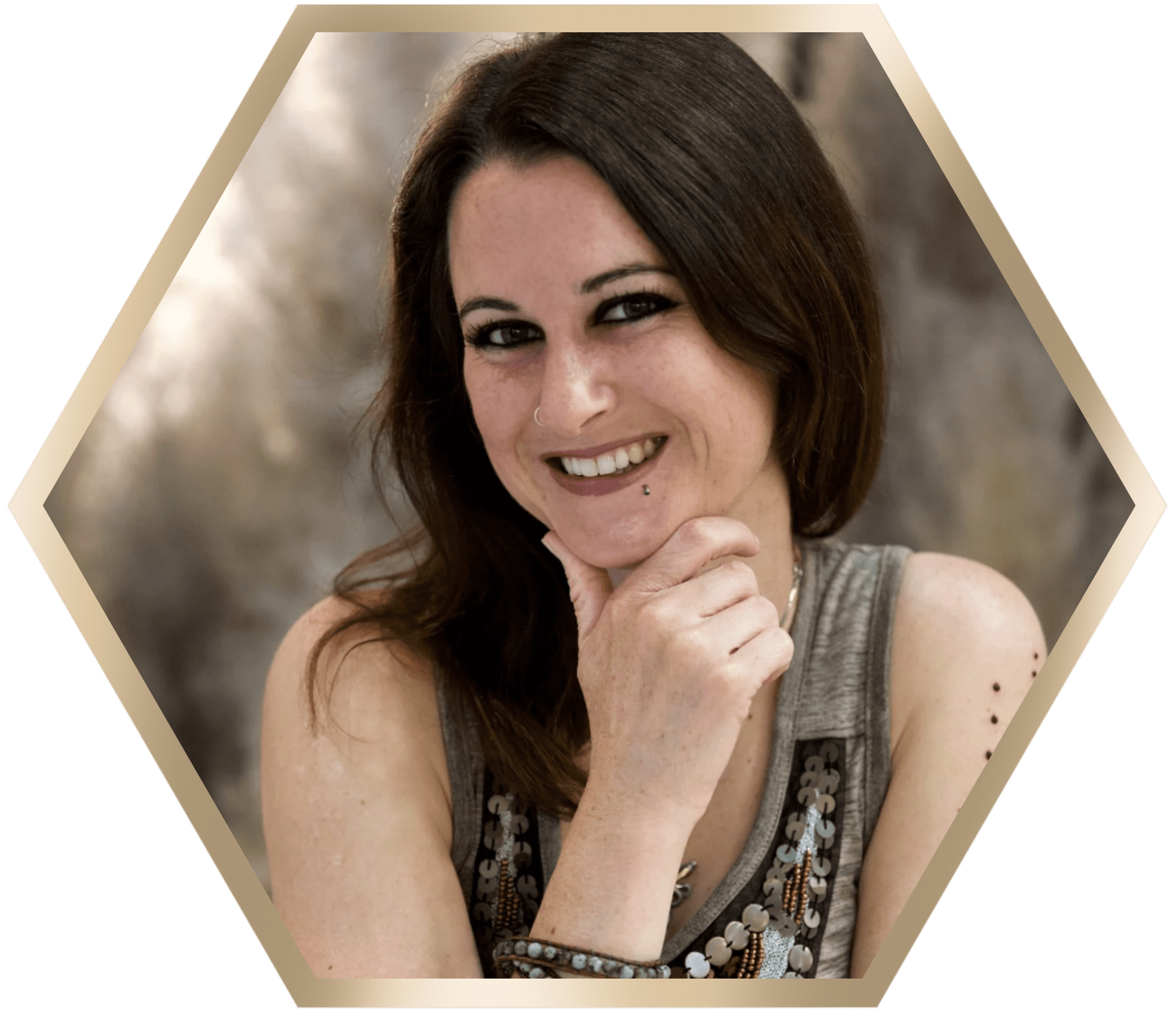
Caitlin Thompson, neurobiologist, UCSD School of Medicine research associate, and pioneering Kambo researcher, leads this practitioner-focused training.
Awaken your facilitator path and gain the confidence to evaluate Kambo training through the lens of safety, ethics, and integrity?
Transform your practice with The Path to Becoming a Kambo Practitioner by Caitlin Thompson and develop a deeper understanding of practitioner responsibilities, contraindications, scientific foundations, and ethical facilitation.
Strong Facilitators Develop More Than Technical Skills
And it is so imperative that we have practitioners with humility who value this thorough training and are gonna employ serious safety practices and sensitive space holding. – Caitlyn Thompson
Many people assume that becoming a Kambo practitioner is primarily about learning application techniques. In reality, technical administration is only one component of effective facilitation. Practitioners must also develop situational awareness, emotional intelligence, professional judgment, and the ability to hold a supportive and grounded space for participants.
A strong Kambo facilitator training should include trauma-informed care, ethical decision-making, professional boundaries, and communication skills. Participants may bring experiences of trauma, grief, addiction recovery, or chronic illness into the ceremonial space. Learning how to support people with sensitivity and respect while remaining within an appropriate scope of practice is essential for anyone who hopes to serve responsibly.
Evaluate the Curriculum and Cultural Integrity of the Program
I think it’s really critical to be in the right relationship with indigenous communities. – Caitlyn Thompson
When comparing training options, it is important to look beyond marketing claims and evaluate what is actually being taught. A comprehensive Kambo training should include physiology, peptide science, contraindications, client assessment, emergency protocols, ethics, facilitation skills, and integration support. Programs that provide depth, practical experience, and ongoing mentorship often prepare students more effectively than short certification courses focused primarily on technique.
Cultural awareness is another important consideration. Kambo has Indigenous roots, and responsible stewardship involves approaching this tradition with humility and respect. Understanding the history, context, and cultural significance of Kambo can help practitioners engage with the medicine in a way that honors the communities that have contributed to its preservation while supporting ethical modern practice.
The path to becoming a Kambo practitioner involves far more than learning how to administer Kambo. The strongest training programs cultivate safety awareness, ethical integrity, trauma-informed facilitation skills, and cultural respect alongside technical competency. By carefully evaluating a program before enrolling, aspiring practitioners can build the knowledge and judgment needed to serve others responsibly while supporting their own long-term growth as facilitators.
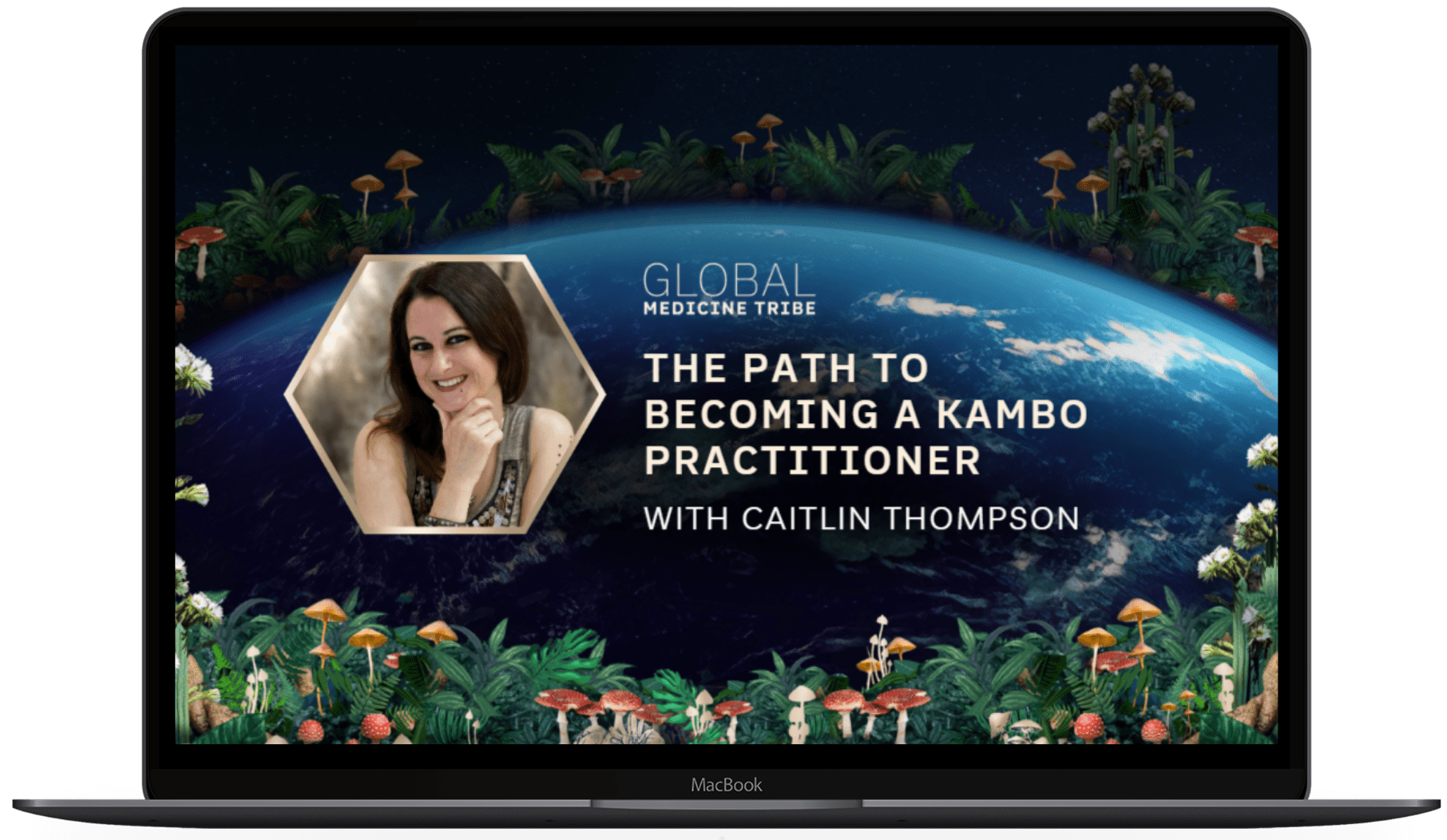
The Path to Becoming a Kambo Practitioner
Learn about the fundamental safety protocols and ethical practices that are required to work with Kambo, and its scientific mechanisms and indigenous roots.
What You’ll Learn
🌿 What exactly is Kambo, and how does it differ from psychedelic medicines?
🌿 How Kambo works through a scientific lens and the power of its peptides.
🌿What it means to be a Kambo practitioner and how to integrate safety, ethics, and integrity into your practice
About the Facilitator
Caitlin Thompson is a seasoned international Kambo practitioner, having served over 1,800 clients with a specialty in Lyme disease, autoimmune conditions, and other chronic illnesses.
Caitlin is formally educated as a neurobiologist and is a research associate at UCSD School of Medicine. She operates as an independent scientific researcher pioneering the first human studies on Kambo.
Caitlin has been featured in over 80+ podcasts, interviews, conferences, speaking engagements, and even international television appearances as a leading Kambo expert.
