
Aspiring and practicing plant medicine integration coaches often encounter a difficult reality. Clients return from ceremonies with powerful insights, but sometimes also with confusion, boundary violations, or experiences that raise serious safety concerns. In many cases, the issue is not the medicine itself but the person guiding the ceremony. Understanding how to recognize ethical and unsafe facilitation is an essential professional skill that helps practitioners support clients with greater discernment and care.
Why Ayahuasca Guide Training Matters
Working with ayahuasca places participants in a psychologically open and vulnerable state. Emotions may intensify, memories can surface, and individuals often develop strong trust toward the person guiding the ceremony. In this context, the ayahuasca facilitator holds significant influence over both the safety of the environment and the internal experience of participants.
Traditional systems of ayahuasca guide training often require years of apprenticeship. Apprentices spend extended time learning ceremonial structure, developing discipline, and studying under experienced healers who understand the complexities of holding psychedelic space. This preparation cultivates humility, emotional regulation, and the ability to navigate difficult psychological situations that may arise during ceremonies. As interest in psychedelic healing grows globally, however, more individuals present themselves as facilitators without completing meaningful training, making it increasingly important for participants and integration practitioners to evaluate a guide’s background carefully.
- Are you holding or supporting plant medicine ceremonies and looking for clearer ways to identify unsafe facilitators before participants are harmed?
- Do you feel the responsibility of protecting participants from the hidden risks that can arise in ayahuasca ceremonies?
- Would learning practical harm-reduction frameworks help you create safer, more ethical plant medicine spaces?
Jerónimo Mazarrasa, ICEERS Social Innovation Coordinator and Plantaforma cofounder, researches legal and safe integration of ayahuasca ceremonies worldwide.
Learn how to recognize unsafe facilitation before a ceremony crosses ethical or psychological boundaries.
Explore Ayahuasca Ceremony Safety & Harm Reduction with Jerónimo Mazarrasa and gain practical frameworks for screening participants, identifying facilitator red flags, and supporting safer plant medicine ceremonies.
Red Flags to Watch for in an Ayahuasca Facilitator
One of the clearest warning signs is a lack of transparency about training and experience. Ethical facilitators are typically open about who taught them, how long they trained, and what traditions influence their work. When a guide avoids answering these questions or relies primarily on vague spiritual claims, it can indicate limited preparation or accountability.
Boundary violations are another serious red flag. During the ceremony, participants may feel deep gratitude, emotional openness, or attachment toward the facilitator. These responses are common in altered states, but they require strong ethical boundaries from the guide. Sexual advances, emotional manipulation, or pressure for additional financial gifts should always be treated as serious warning signs. Ethical facilitators maintain professional boundaries that protect participants during vulnerable moments.
Ayahuasca Ceremony Safety Tips for Ethical Practice
Safe ceremonies begin long before the medicine is served. One of the most important ayahuasca ceremony safety tips is thorough participant screening. Responsible facilitators ask about medications, medical conditions, and mental health histories that could interact negatively with the brew. Ignoring these precautions increases the risk of psychological or physiological complications.
A well-supported ceremony environment also includes trained assistants. During psychedelic experiences, some participants may encounter fear, dissociation, or overwhelming emotions. Support staff can provide one-on-one care while the ceremony continues smoothly. In addition, ethical facilitators maintain awareness of the legal context in which ceremonies take place and take steps to reduce potential risks for participants.
Choosing a safe ayahuasca facilitator is one of the most important harm reduction decisions a participant can make. Ethical guides prioritize preparation, humility, transparency, and strong personal boundaries. For integration coaches and plant medicine practitioners, understanding these standards is part of professional responsibility. By helping clients recognize the risks associated with untrained shamans and poorly supported ceremonies, practitioners contribute to a safer and more accountable plant medicine community.
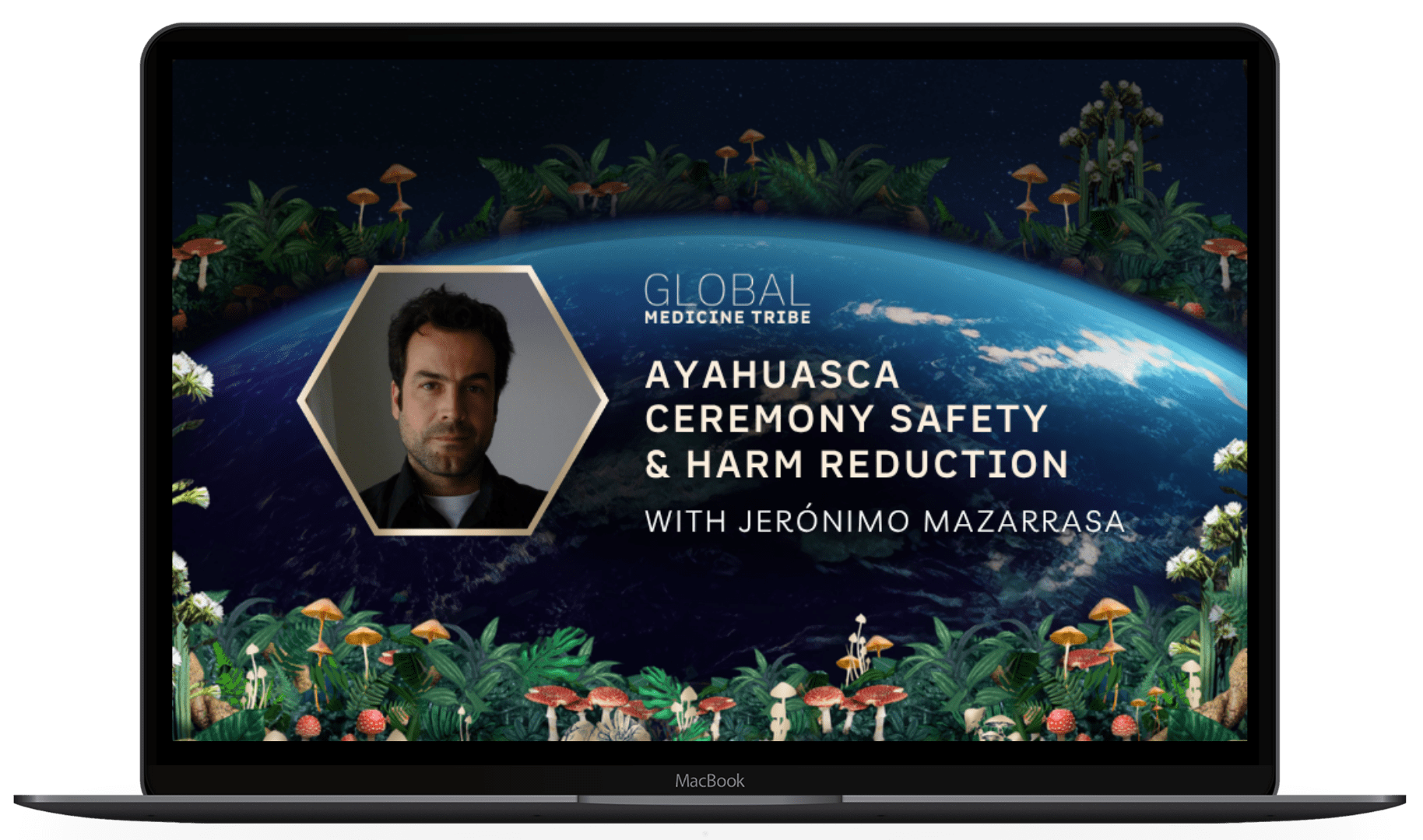
Ayahuasca Ceremony Safety & Harm Reduction
Deepen your understanding of the real risks that arise in plant medicine ceremonies.
Learn practical safety frameworks to protect participants, facilitators, and the integrity of the work.
What You’ll Learn
🌿 Best practices for participant safety, recounted through case studies of psychotic breakdowns, runaway journeyers, and challenging visions, so you are prepared to navigate the many challenges that arise in plant medicine ceremonies.
🌿 How to ensure safety as a guide or facilitator, including navigating the traps of intercultural relationships, sex, money, and power dynamics.
🌿How to strengthen your work with validated physical, psychological, and legal security protocols while contributing to a safe, inclusive, and diverse medicine community in right relationship to ancestral cultures.
About the Facilitator
Jerónimo is an ayahuasca community activist. He works as the Social Innovation Coordinator for ICEERS and is a founding member of Plantaforma (Platform for the Defense of Ayahuasca in Spain). Over the past five years, he has devoted most of his energy to exploring how ceremonial plant practices can be legally and safely integrated outside of their cultures of origin.
