
Designing a retreat is not simply about organizing ceremonies. It is about shaping environments where altered states unfold within a carefully constructed container. As a facilitator, you are responsible for more than peak experiences. You are stewarding nervous systems, psychological thresholds, and long-term integration outcomes.
A safe psychedelic retreat is defined by preparation, discernment, and ethical leadership. Participants often arrive carrying hope, vulnerability, and a limited understanding of the risks involved. Some may have complex trauma histories. Others may be navigating life transitions, grief, or burnout. Your role is to ensure that trauma awareness, cultural respect, and clear psychedelic safety protocols are embedded into every layer of the retreat experience.
When facilitators approach retreat design with humility and structure, transformation becomes sustainable rather than destabilizing. The goal is not intensity. It is integrity.
Building a Trauma-Informed Retreat Container
Psychedelics are non-specific amplifiers. They intensify emotion, memory, sensation, and perception. While this amplification can catalyze healing, it can also overwhelm an under-resourced nervous system. The medicine itself does not regulate pacing. That responsibility belongs to the facilitator.
Psychedelics are a non-specific amplifier, and ayahuasca isn’t called the vine of the dead because it’s always gentle, right? – Melissa Stangl
A trauma-informed retreat prioritizes nervous system safety over intensity. This often means slowing down what other retreats might speed up. Sufficient rest days between ceremonies. Thoughtful preparation calls before arrival. Clear orientation sessions that reduce uncertainty. A calm, predictable physical environment. These details matter.
Medicine stacking within a short period can increase destabilization, particularly for participants with complex trauma histories. Just because a participant is willing does not mean their system is ready. Discernment is an act of care.
An unresourced nervous system has the potential to be actually harmed rather than helped by this.– Melissa Stangl
Clear consent practices, defined facilitator roles, and transparent communication further strengthen psychological safety. Participants should know who to approach, what support is available, and what boundaries are in place. When people feel genuinely supported and contained, they can engage fully without bracing for harm. This is the foundation of a truly safe psychedelic retreat.
- Are you a coach, therapist, ceremony guide, or plant medicine practitioner ready to strengthen the safety and integrity of the spaces you hold?
- Do you want deeper clarity around trauma-informed screening, cultural stewardship, and ethical leadership in psychedelic retreat design?
- Are you committed to refining your facilitation so participants leave not just transformed, but truly supported and integrated?
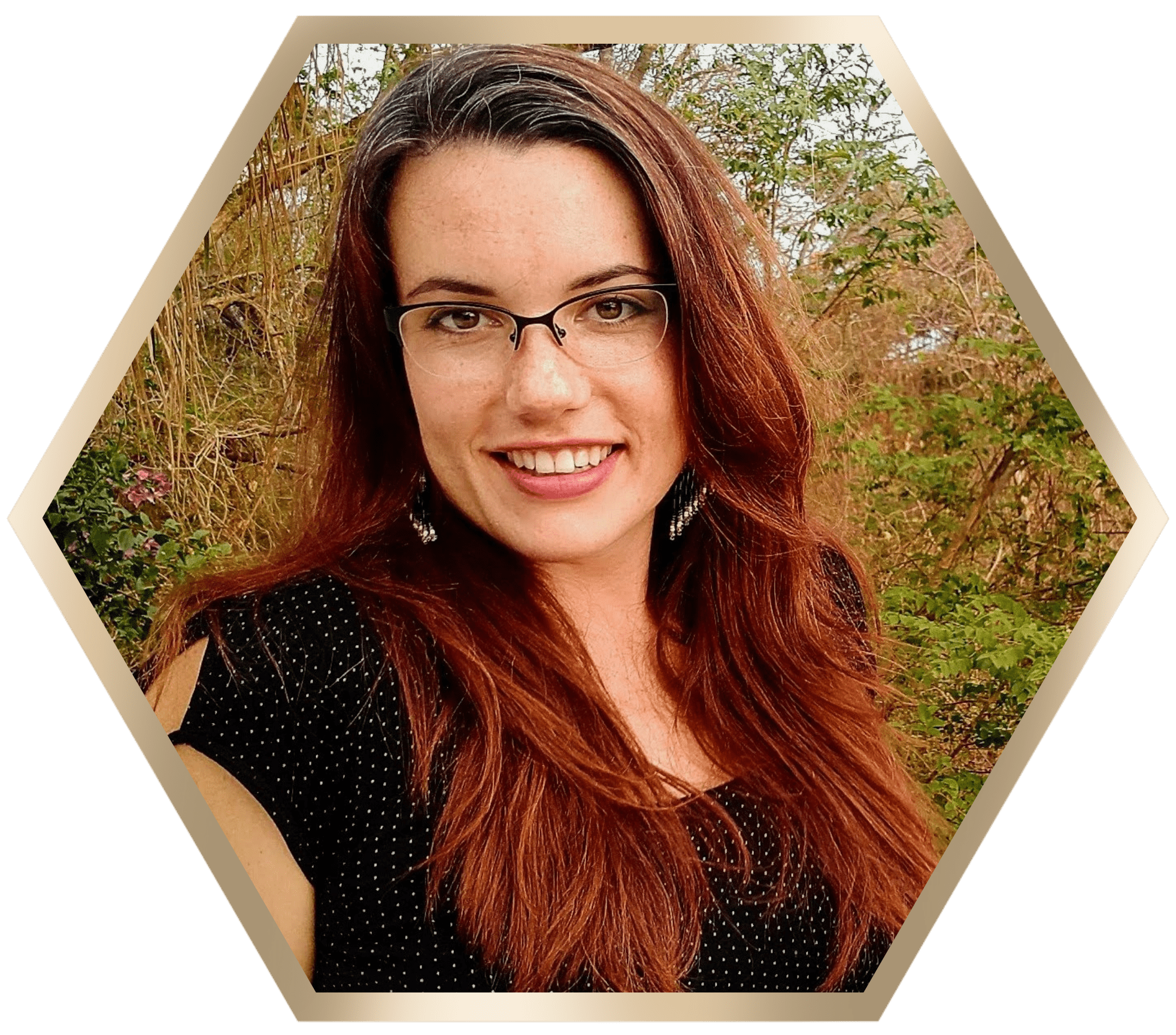
Melissa Stangl, Founding Partner and Co-Steward of Soltara Healing Center, brings extensive experience in stewarding trauma-informed ayahuasca retreats alongside Indigenous Shipibo healers.
Explore the essential questions that reveal whether your retreat container is genuinely safe and trauma-informed.
Join Creating and Choosing Plant Medicine Retreats: A Guide for Participants, Organizers, and Facilitators with Melissa Stangl to gain practical frameworks for participant screening, cultural reciprocity, safety protocols, and support for meaningful integration.
Establishing Strong Psychedelic Safety Protocols
Strong psychedelic safety protocols begin long before the first ceremony. Comprehensive screening is essential. Intake processes should include medical history, psychological diagnoses, current medications, prior psychedelic experience, and clear intention setting. Screening is not about gatekeeping or exclusion. It is about ensuring that your specific container is appropriate for each individual.
Certain plant medicines carry significant contraindications. Ayahuasca, for example, contains monoamine oxidase inhibitors that can interact dangerously with some antidepressants and other substances. Clear dietary guidance, medication disclosure, and collaboration with qualified healthcare providers are critical components of psychedelic safety.
During the retreat itself, safety is operationalized through structure. Appropriate staff-to-participant ratios, trained support staff, clearly defined emergency procedures, and sober oversight create layers of protection. Facilitators should be prepared for psychological crises, not just ceremonial flow.
Equally important is what happens after participants leave. Without structured psychedelic integration, powerful insights can fade or, worse, destabilize daily life.
Because the work that you do on retreat is only as valuable as what you do as a result of it when you go back home, how you integrate this experience into your life through action or orientation. – Melissa Stangl
Providing integration calls, written guidance, referrals to therapists, or partnerships with trained psychedelic integration specialists extends the safety net beyond the retreat. A safe psychedelic retreat does not end on departure day. It includes meaningful psychedelic integration that supports real-world change.
Honoring Cultural Lineage and Ethical Stewardship
Trauma-informed care does not exist in isolation from culture. Many plant medicines originate within Indigenous traditions that include specific preparation methods, cosmologies, and ceremonial frameworks. Ethical stewardship requires facilitators to understand where the medicine comes from, how it is sourced, and whether harvesting practices are sustainable.
Overharvesting has created ecological strain and tension with Indigenous communities in some regions. Ethical sourcing and transparent supply chains are not marketing points. They are responsibilities. Participants increasingly care about these realities, and rightly so.
Respecting lineage also means clarity in your own positioning. If you are working within a traditional ceremonial framework, follow its guidelines with integrity and proper training. If you are offering a modern therapeutic model, clearly communicate how it differs and what informs your approach. Misrepresentation erodes trust and can create spiritual confusion for participants navigating vulnerable states.
Cultural awareness strengthens psychedelic integration. When facilitators can accurately contextualize archetypal or spiritual experiences, without appropriating or distorting tradition, participants leave with grounding rather than fantasy. Ethical leadership builds long-term credibility in a rapidly expanding field.
Designing safe, trauma-informed psychedelic retreats requires humility, preparation, and ongoing education. When you commit to strong psychedelic safety protocols, thorough screening, ethical sourcing, and meaningful psychedelic integration support, you create containers that sustain transformation rather than chase intensity. In a growing and often unregulated space, integrity is what distinguishes responsible facilitators. A safe psychedelic retreat is not measured by how powerful it feels in the moment, but by how safely and sustainably it supports change long after participants return home.
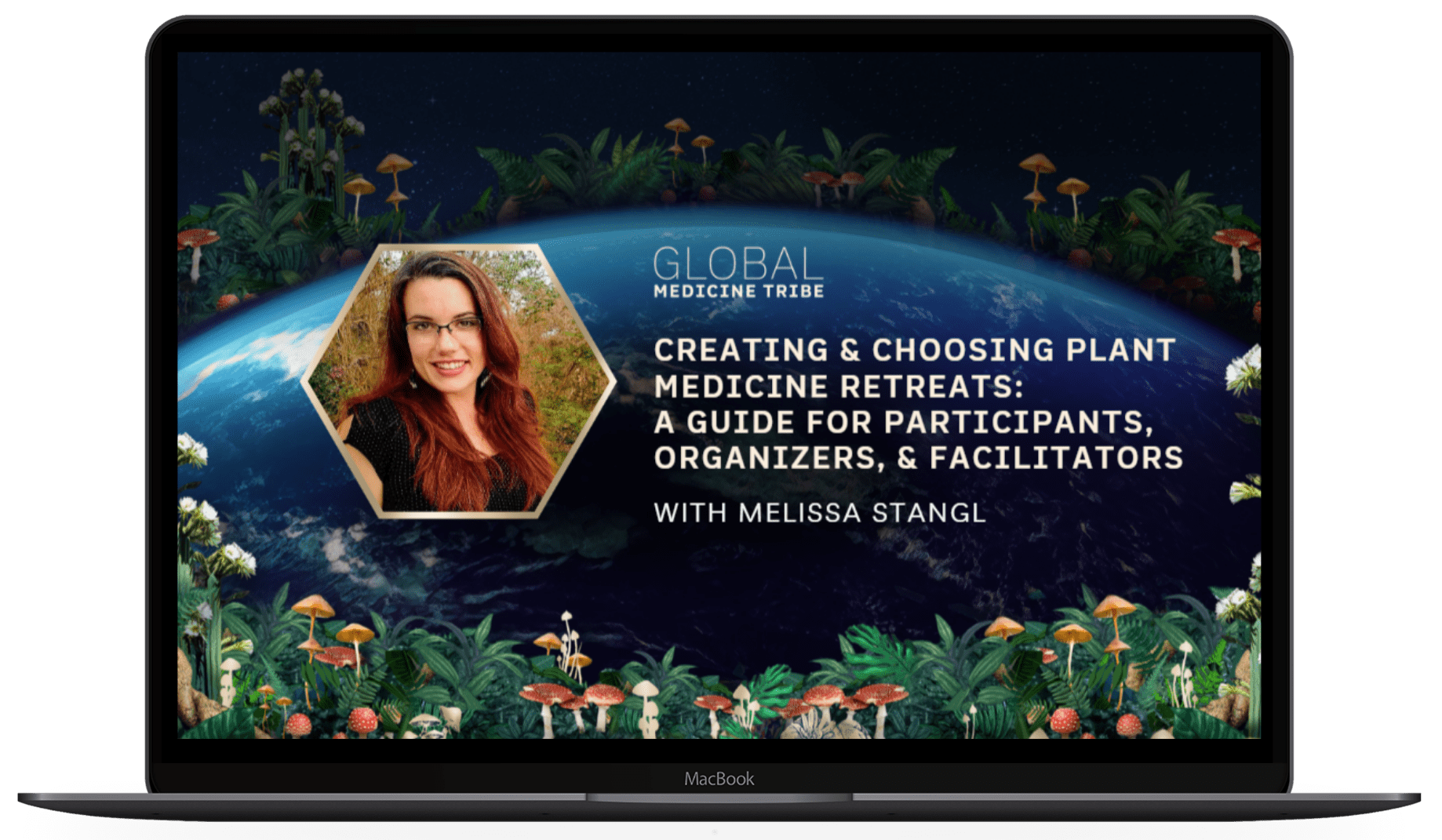
Creating and Choosing Plant Medicine Retreats: A Guide for Participants, Organizers, and Facilitators
Do you want clarity on how to select or create plant medicine retreats rooted in safety, integrity, and authentic transformation?
Be part of this immersive learning experience to gain clarity, confidence, and practical tools for designing and participating in ethical, well-supported retreat experiences.
What You’ll Learn
🌿Explore the critical questions to ask when choosing a plant medicine or psychedelic retreat and understand why these matter for safety and effectiveness.
🌿Learn how to integrate cultural respect and reciprocity into retreat planning and facilitation.
🌿Master key principles for preparation, ceremony facilitation, and post-retreat integration, ensuring safety, effectiveness, and alignment with diverse healing traditions and participant needs.
About the Facilitator
Melissa is a Founding Partner and Co-Steward of Soltara Healing Center, an Ayahuasca retreat center working with Indigenous Peruvian Shipibo healers to support people in becoming more fully embodied, integrated, and connected versions of themselves.
