
As interest in psychedelic healing grows, more people are asking thoughtful questions about plant medicine. They are not just curious about effects; they want to know what is safe, appropriate, and aligned with their mental health and life circumstances. For practitioners and guides, understanding the differences between Ayahuasca vs psilocybin and the role of a San Pedro ceremony is essential for responsible support.
Choosing plant medicine is not about intensity or trend. It is about discernment. Each medicine carries a unique physiological profile, duration, and psychological tone. When approached through trauma-informed care and ethical awareness, these distinctions help ensure that healing is sustainable rather than overwhelming.
Ayahuasca vs Psilocybin: Intensity, Physiology, and Readiness
A grounded comparison of Ayahuasca vs psilocybin begins with how each medicine interacts with the body and nervous system.
Ayahuasca is a traditional Amazonian brew that combines the Banisteriopsis caapi vine with a DMT-containing plant. Because the vine contains monoamine oxidase inhibitors (MAOIs), DMT becomes orally active, increasing both potency and risk. Medication interactions, particularly with antidepressants and other serotonergic drugs, must be carefully screened. The experience typically lasts four to eight hours and may involve intense emotional release, vivid visionary states, and physical purging.
For some, this depth catalyzes profound insight. For others, especially individuals with complex trauma, bipolar spectrum conditions, or limited regulation skills, the intensity may exceed their current capacity.
Psilocybin mushrooms, which convert to psilocin in the body, generally last four to six hours and do not involve MAOIs. While psilocybin can still surface powerful psychological material, it often carries a lighter physiological load than ayahuasca. That difference can be significant when assessing readiness, especially for first-time participants.
From a trauma-informed perspective, psychedelics amplify what is already present.
“Altered states can have the potential to be re-traumatizing too much, too fast, too soon.” – Melissa Stangl
This insight reframes the question. Instead of asking which medicine is stronger, we ask whether the individual is resourced enough. A responsible psychedelic medicine comparison includes mental health history, medication review, nervous system resilience, and available integration support. The medicine does not create stability; it reveals what is there.
- Are you a coach, therapist, or ceremony guide who wants to ensure the medicine spaces you support are truly trauma-informed and responsibly held?
- Do you feel the weight of discernment when helping clients choose between ayahuasca, psilocybin, or San Pedro and want clearer frameworks for doing so ethically?
- Are you committed to cultural respect, proper preparation, and integration that protects both participants and the integrity of this work?
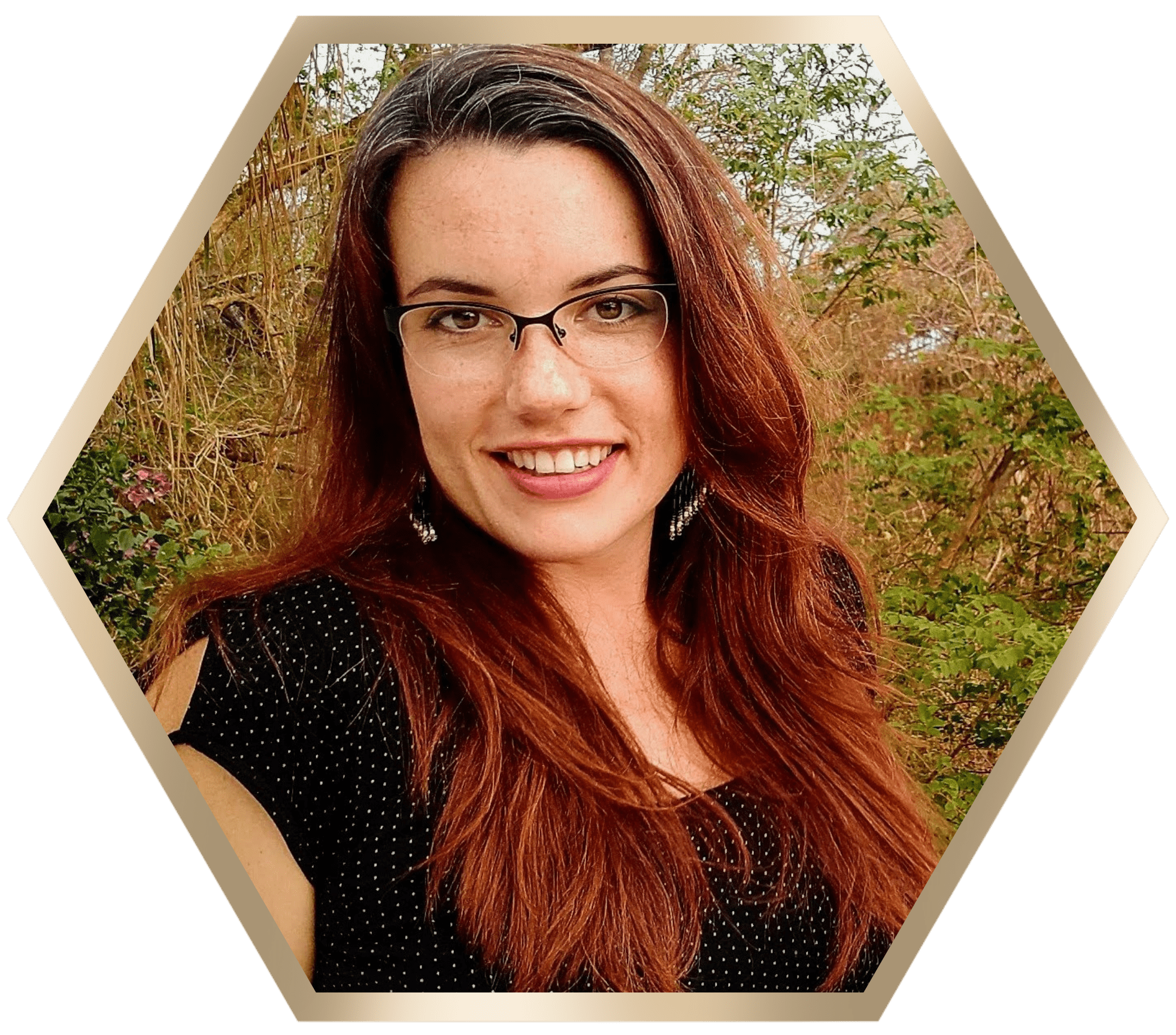
Melissa Stangl, Founding Partner and Co-Steward of Soltara Healing Center, brings extensive experience guiding trauma-informed, culturally grounded ayahuasca retreats.
Ready to evaluate plant medicine retreats with discernment and cultural integrity?
Explore Creating and Choosing Plant Medicine Retreats: A Guide for Participants, Organizers, and Facilitators with Melissa Stangl and gain practical tools for safety, reciprocity, preparation, and ethical facilitation in psychedelic retreat spaces.
The San Pedro Ceremony: Heart-Centered and Relational Healing
Beyond the discussion of Ayahuasca vs psilocybin, the San Pedro ceremony offers a distinct pathway. San Pedro, derived from the cactus Echinopsis pachanoi, contains mescaline and typically unfolds over eight to fourteen hours.
Despite its longer duration, many describe San Pedro as heart-opening, relational, and grounding. Participants often remain communicative and embodied, with insights emerging gradually rather than erupting in overwhelming waves. Rather than pulling awareness deep into internal visionary realms, San Pedro frequently supports connection with nature, with grief, with forgiveness, and with life direction.
This profile can be particularly supportive for individuals seeking relational healing or clarity around transitions. However, longer ceremonies still require stamina, preparation, and strong facilitation. Extended altered states can fatigue the nervous system if participants are not adequately supported before and after the experience.
Cultural respect is also central. San Pedro has deep Andean ceremonial roots, and growing global demand has raised concerns about sustainability and commercialization. Ethical choosing of plant medicine includes evaluating facilitator training, lineage acknowledgment, sourcing practices, and reciprocity with Indigenous communities. Psychological safety and cultural integrity go hand in hand.
Preparation and Integration: The Container That Makes It Safe
In any conversation about choosing plant medicine, preparation and integration matter more than the specific substance. Without a stable container, even a carefully selected medicine can lead to confusion or destabilization.
Preparation includes comprehensive intake processes, psychological screening, medical review, and strengthening personal support systems. Clients taking SSRIs, SNRIs, mood stabilizers, or antipsychotics require particular caution, especially when considering Ayahuasca vs psilocybin, due to potential contraindications. Collaboration with licensed medical professionals is often a necessary safeguard.
Trauma-informed care provides the ethical foundation for this work.
To be trauma-informed is to realize the widespread impact of trauma and understand the potential paths for recovery. – Melissa Stangl
This approach emphasizes pacing, consent, and nervous system capacity over dramatic breakthroughs. It recognizes that transformation is not measured by intensity, but by integration.
After a San Pedro ceremony, psilocybin journey, or ayahuasca experience, structured reflection and ongoing support are essential. Integration may involve somatic processing, therapy, coaching, journaling, or practical behavioral changes. Without integration, insights can fade or feel destabilizing. With integration, they become embodied shifts.
It is also important to remember:
The medicine is not trauma-informed. – Melissa Stangl
The container must be.
This means avoiding medicine stacking, allowing sufficient time between ceremonies, and ensuring strong post-ceremony support. More experiences do not necessarily create more healing. Often, slower pacing supports deeper change.
Choosing between Ayahuasca vs psilocybin or deciding to attend a San Pedro ceremony ultimately comes down to alignment, readiness, and support. Each medicine carries distinct characteristics and risks. When approached with trauma-informed awareness, cultural respect, and thoughtful integration planning, plant medicine becomes less about peak experiences and more about steady, embodied transformation.
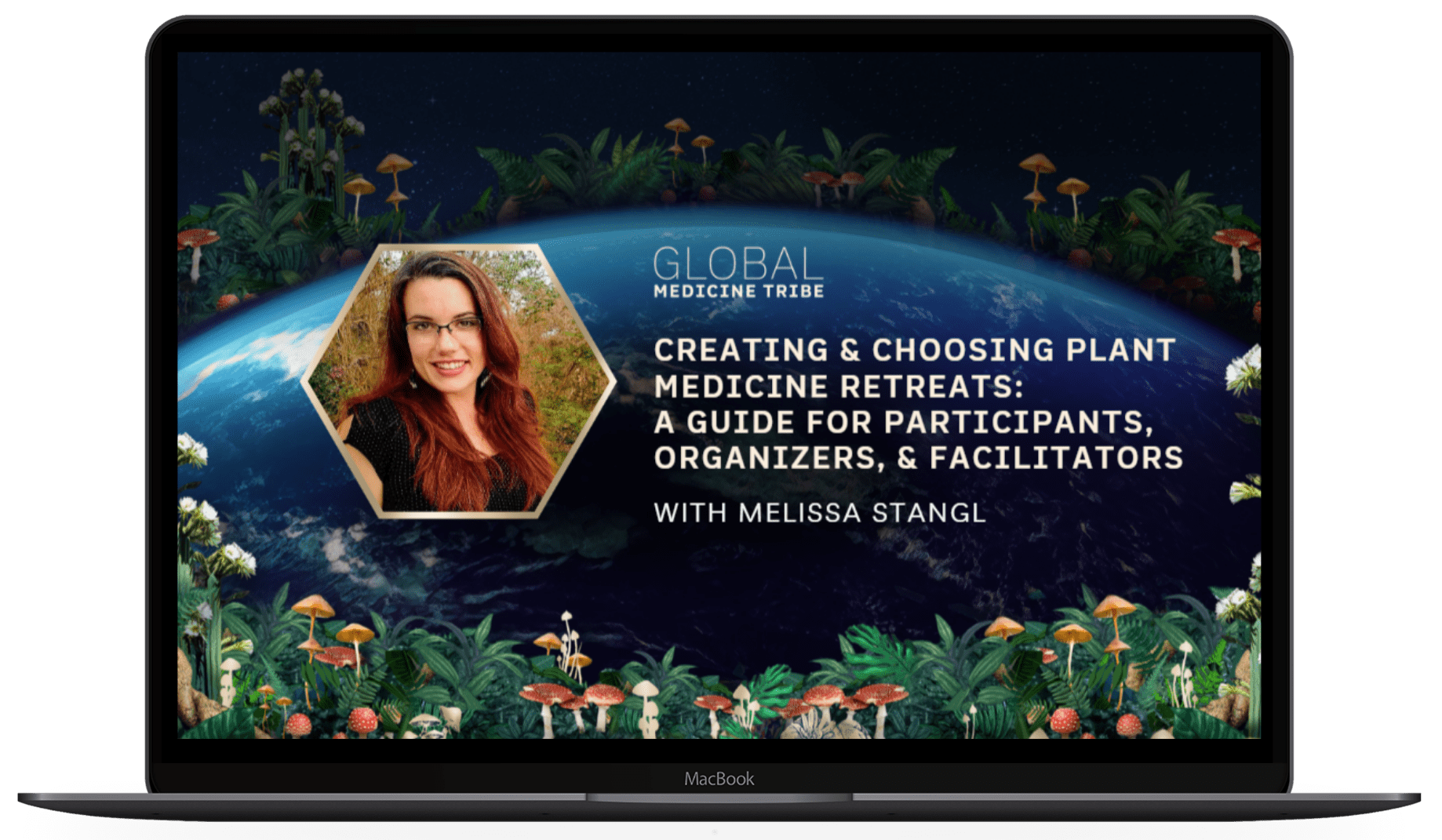
Creating and Choosing Plant Medicine Retreats: A Guide for Participants, Organizers, and Facilitators with Melissa Stangl
Do you want practical guidance for evaluating or designing plant medicine retreats that prioritize safety, cultural awareness, and lasting transformation?
Join this comprehensive workshop designed to ensure safety, cultural respect, and effective integration in plant medicine and psychedelic retreat spaces.
What You’ll Learn
🌿Explore the critical questions to ask when choosing a plant medicine or psychedelic retreat and understand why these matter for safety and effectiveness.
🌿Learn how to integrate cultural respect and reciprocity into retreat planning and facilitation.
🌿Master key principles for preparation, ceremony facilitation, and post-retreat integration, ensuring safety, effectiveness, and alignment with diverse healing traditions and participant needs.
About the Facilitator
Melissa is a Founding Partner and Co-Steward of Soltara Healing Center, an Ayahuasca retreat center working with Indigenous Peruvian Shipibo healers, supporting people in becoming more fully embodied, integrated, and connected versions of themselves.
