

Choosing a plant medicine retreat can feel overwhelming. As an aspiring or experienced practitioner, you may be selecting a retreat for your own healing or guiding clients toward a psychedelic retreat experience. The integrity of that container matters. A well-structured ayahuasca retreat can catalyze profound transformation. A poorly designed retreat can overwhelm the nervous system and create preventable harm.
Understanding what defines safety, alignment, and ethical practice allows you to make decisions rooted in trauma-informed care, harm reduction, and cultural respect. These seven essentials offer a grounded checklist for retreat centers to help you evaluate any plant medicine retreat with clarity, confidence, and discernment rather than urgency.
“Master plant teachers are forces of nature that require careful consideration and intentional approach.” – Melissa Stangl
Intake, Preparation, and Integration: The Safety Foundations of a Plant Medicine Retreat
A responsible plant medicine retreat begins long before the first ceremony and continues long after it ends. The first essential is thorough intake and screening. Participants should complete detailed medical and psychological forms that include current medications, past diagnoses, trauma history, and previous psychedelic experiences. Many reputable centers also schedule a live call to assess readiness and clarify intentions. Psychedelic substances are non-specific amplifiers, which means unresolved trauma or certain psychiatric conditions can intensify quickly. Comprehensive screening protects participants and demonstrates that safety is prioritized over filling spaces.
The second essential is clear preparation support. A high-integrity psychedelic retreat provides guidance on logistics, travel, dietary considerations when relevant, and intention setting. Preparation should also encourage participants to stabilize their daily lives and establish therapeutic or community support before arrival. Just as important, the third essential is structured integration support. Integration may include group calls, referrals to therapists experienced with psychedelic integration, or access to an ongoing community. Without integration, powerful insights can remain fragmented or destabilizing. As Melissa Stangl reminds us, integration determines whether insight becomes embodied change:
- As a coach, therapist, or ceremony guide, are you fully confident in your ability to discern which plant medicine retreats truly uphold safety, ethics, and lineage?
- In a rapidly expanding psychedelic landscape, how do you ensure your recommendations and containers protect clients from preventable harm?
- What standards are you holding yourself to when stewarding work that involves powerful psychoactive medicines and sacred traditions?
Melissa Stangl, Founding Partner and Co-Steward of Soltara Healing Center, brings extensive experience in stewarding ayahuasca retreats alongside Indigenous Peruvian Shipibo healers.
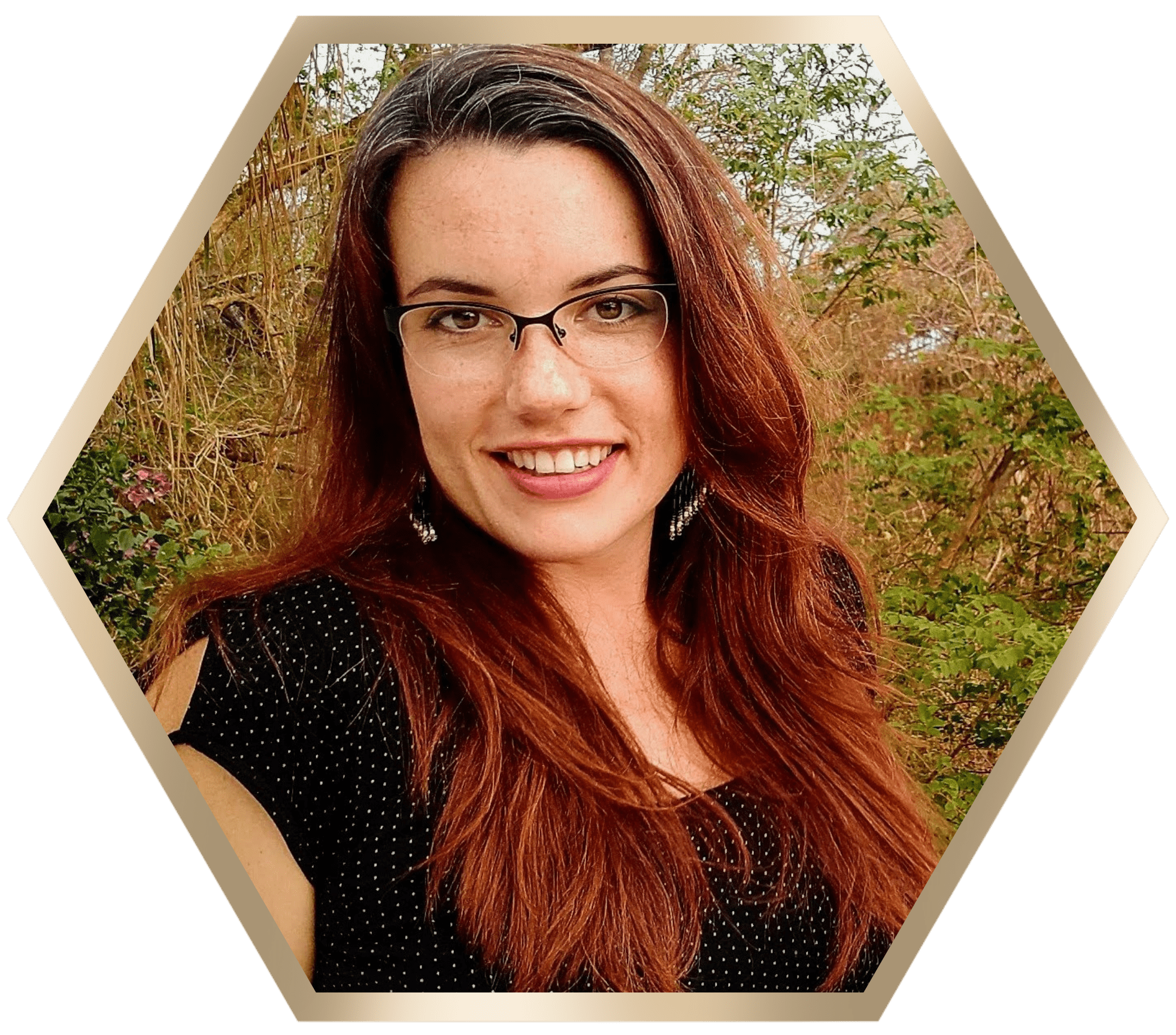
Explore the critical elements that make a plant medicine retreat safe, ethical, and truly aligned with your values.
Step forward with clarity in Creating and Choosing Plant Medicine Retreats: A Guide for Participants, Organizers, and Facilitators with Melissa Stangl and gain the tools to evaluate, design, and steward safe, culturally respectful, and well-integrated retreat experiences.
Medicine Integrity and Cultural Respect in an Ayahuasca Retreat
Transparency and respect form the ethical backbone of any plant medicine retreat. The fourth essential is transparency about ingredients and sourcing. In a traditional ayahuasca retreat, the brew typically combines Banisteriopsis caapi vine with a DMT-containing plant such as Psychotria viridis. Some traditions include additional plant admixtures that may intensify or alter the experience. Participants have the right to know what they are ingesting, how it was prepared, and whether additional substances are involved. Clear communication around risks and contraindications reflects professionalism and harm reduction.
The fifth essential is respect for tradition and cultural lineage. Many plant medicines originate within Indigenous traditions that require years of apprenticeship and ceremonial training. When evaluating a psychedelic retreat, ask who trained the facilitators and within what lineage. Cultural humility reduces appropriation and honors the communities that stewarded these medicines long before their global expansion. Alongside lineage, the sixth essential is ethical and sustainable sourcing practices. Overharvesting of certain plants, including peyote, has created ecological strain. Animal-derived substances, such as 5-MeO-DMT from toads, raise additional ethical questions when not synthesized responsibly. A trustworthy retreat center checklist should include clear information about sustainability, reciprocity, and long-term stewardship.
“These medicines are sacred, potent, and powerful, and we are blessed to be able to work with them and have access to them.” – Melissa Stangl
Trauma-Informed Ceremony Design and a Skilled Medicine Team
Ceremony design determines whether the container supports regulation or overwhelm. The seventh essential is a trauma-informed approach to ceremony design. Some retreats stack multiple medicines or combine ceremonies with intense breathwork within a short timeframe. While this may benefit certain individuals, it can push others beyond their window of tolerance. A trauma-informed plant medicine retreat prioritizes pacing, rest days, participant autonomy, and explicit consent. There should be no pressure to drink more medicine or participate beyond personal capacity.
Within these seven essentials, the role of the medicine team is central. Facilitators in an ayahuasca retreat or psychedelic retreat setting should clearly articulate their training, scope of practice, emergency protocols, and ethical boundaries. Adequate staff support during ceremonies ensures participants are physically and emotionally cared for throughout the process. When leadership is transparent and grounded, participants can soften into the work rather than bracing against uncertainty.
A plant medicine retreat is not a quick fix or a spiritual shortcut. It is an encounter with powerful psychoactive substances, deep psychological material, and often sacred cultural traditions. When all seven essentials are present, comprehensive screening, thoughtful preparation, structured integration, transparent sourcing, cultural respect, sustainability, trauma-informed ceremony design, and skilled facilitation, a retreat becomes a responsible doorway into profound and sustainable healing. Using this retreat center checklist allows you to approach any ayahuasca retreat or psychedelic retreat with discernment, ensuring that alignment is not just promised, but embodied in practice.
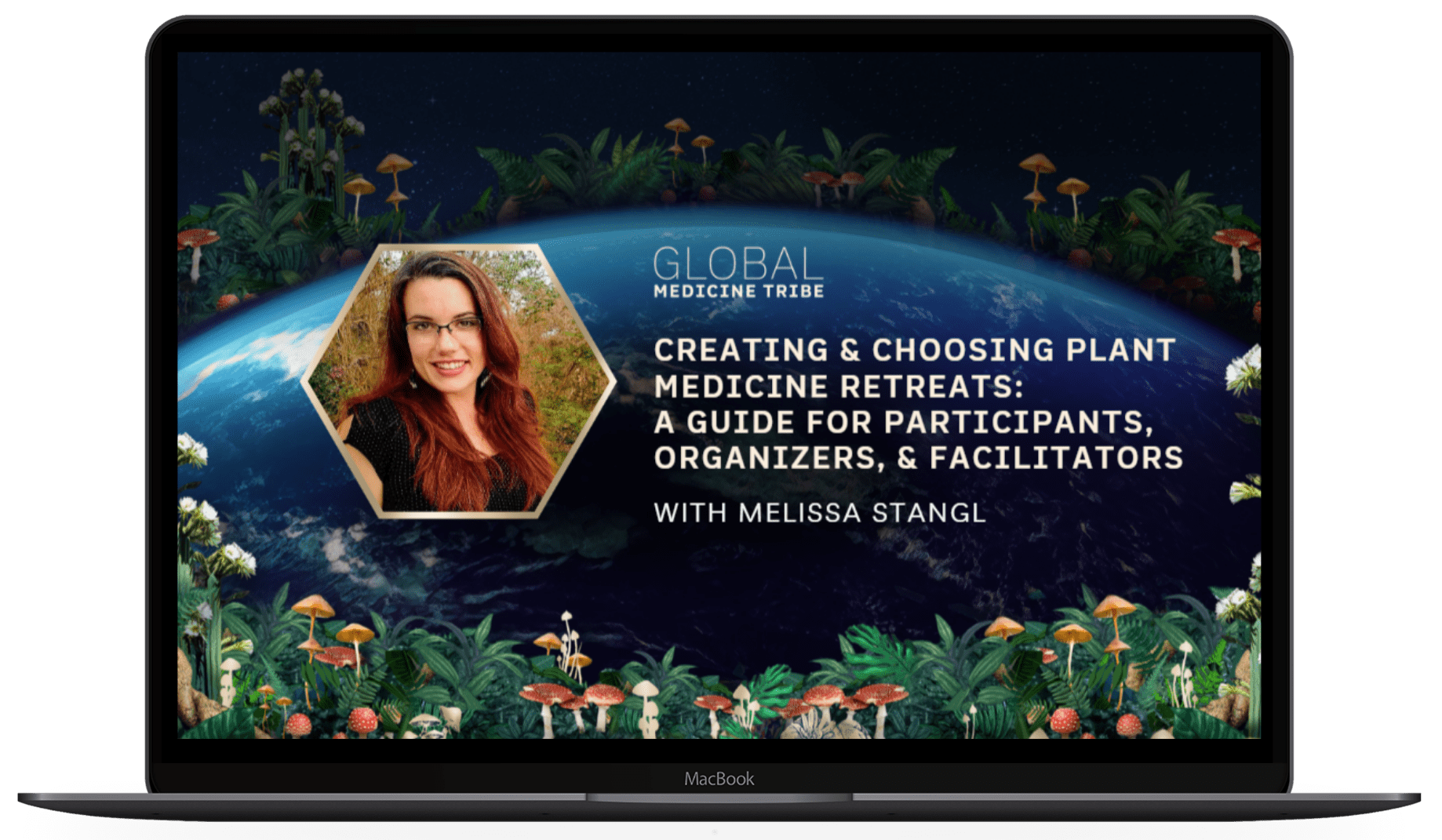
Creating and Choosing Plant Medicine Retreats: A Guide for Participants, Organizers, and Facilitators with Melissa Stangl
Are you seeking guidance on how to choose or create safe, culturally informed, and transformative plant medicine retreats?
Join this comprehensive workshop and gain clarity, confidence, and practical tools for ethical, well-integrated retreat experiences.
What You’ll Learn
🌿Explore the critical questions to ask when choosing a plant medicine or psychedelic retreat and understand why these matter for safety and effectiveness.
🌿Learn how to integrate cultural respect and reciprocity into retreat planning and facilitation.
🌿Master key principles for preparation, ceremony facilitation, and post-retreat integration, ensuring safety, effectiveness, and alignment with diverse healing traditions and participant needs.
About the Facilitator
Melissa is a Founding Partner and Co-Steward of Soltara Healing Center, an Ayahuasca retreat center working with Indigenous Peruvian Shipibo healers, supporting people in becoming more fully embodied, integrated, and connected versions of themselves.
