
As a psychedelic practitioner, you may feel called to create spaces where people can process, share, and integrate their altered-state experiences. Whether you’re just beginning to hold space or already guiding others through integration, you may find yourself wondering: How do I create a space that feels safe, sacred, and supportive enough for real healing to unfold, especially after something as vulnerable as a psychedelic experience?
This is where the power of an integration circle comes in. More than just a gathering, an integration circle is a container, a living, breathing space for storytelling, reflection, community, and healing. When held with skill, care, and awareness, these circles can become sanctuaries of transformation.
Let’s explore how to build and lead integration circles that honor both individual healing and collective wisdom, and how you can deepen your capacity to guide them with integrity.
What Makes an Integration Circle Sacred?
Creating a sacred space begins long before people sit in the circle. It starts with the container you design, how you set the tone, boundaries, and structure. An integration circle is sacred because it holds the raw, unfiltered truths people carry after their psychedelic journeys. These are often stories of awakening, unraveling, grief, and insight.
Holding that much vulnerability requires intentional design.
Start by establishing agreements that promote safety. A key principle in psychedelic support group spaces is confidentiality: what’s shared in the circle stays in the circle. Consent also plays a central role. People must know they are never obligated to share and are always invited to speak from their lived experience.
Inclusion, non-judgment, and respect are non-negotiable. Each voice in the room, whether loud or soft, deserves compassionate listening. The facilitator isn’t there to fix, advise, or diagnose, but to steward the container with grounded presence and clarity.
“We’re not waiting. We’re just being, just being together.” – Skye Weaver
This ability to “be” with what arises, without trying to change or solve it, is the foundation of sacred space. It allows each participant to engage in their own psychedelic integration practices at their own pace, without pressure or performance.
Facilitating Psychedelic Support Groups with Confidence and Care
Stepping into the role of facilitator doesn’t mean you must be an expert or a therapist. What matters most is your ability to hold space with humility, trauma-awareness, and presence.
In peer integration circle models, everyone is seen as a contributor to the healing process. Your role as a facilitator is to guide the flow, model active listening, and track the emotional tone of the group. A well-facilitated circle includes a clear opening and closing, clear guidelines for participation, and consistent timekeeping so everyone is heard.
No matter your experience level, your ability to show up with presence and intention will shape the circle more than any script or credentials.
A common structure might look like this:
- Welcome and ground the group with a meditation, breathwork, or simple check-in.
- Review community agreements and share disclaimers about the circle’s scope and purpose.
- Invite personal shares with a reminder that participation is optional and support is available.
- End with group reflection, gratitude, and affirmation.
If someone becomes emotionally dysregulated or shares a traumatic experience, grounding the group becomes a priority. Pause. Take a breath together. Validate what was shared and provide the group with somatic cues to help them reconnect with their bodies.
Sometimes being in a circle means we’re witnessing big experiences from other people.” – Skye Weaver
By learning to navigate these moments with grace, you ensure your psychedelic support group remains a safe container, not only for the one sharing but for everyone present.
- Are you ready to lead integration circles that are not just safe, but truly sacred and transformational?
- Do you long to serve your community with deeper presence, confidence, and trauma-informed care?
- What could become possible if your facilitation skills matched the depth of your calling to heal?
Psychedelic integration specialist Skye Weaver brings extensive experience in ethical facilitation, somatic healing, and community-based entheogenic support.
Wondering how to become the kind of facilitator who holds circles that truly transform lives?
Explore Integration Circle Facilitator Training with Lorna Liana and Skye Weaver to deepen your skills in trauma-informed leadership and create sacred spaces where real healing unfolds.
Key Elements of Trauma-Informed Integration Circles
Every integration circle must be rooted in the understanding that participants may be carrying unresolved trauma, either from their psychedelic experiences or from earlier in life. Trauma-informed facilitation is not optional; it’s essential.
This means:
- No crosstalk during personal shares, unless explicitly invited.
- Consent-based feedback: Always ask before offering reflections or integration coaching.
- Equal time-sharing: Track the time carefully to ensure all voices are honored.
- Non-attachment to outcomes: Let go of the need to solve or fix anyone’s process.
Using reflective listening, gentle inquiry, and open-ended questions deepens the container without overwhelming it.
“Could you share more about that? What was that like for you?” – Skye Weaver
These simple prompts help participants uncover their own insights, reinforcing the integration process as an unfolding path, not a one-time event.
As a facilitator, you are the guardian of the circle’s emotional and energetic safety. You’re also a model for how to be present without over-identifying, how to listen deeply without rushing to respond, and how to be curious rather than reactive.
When someone shares a profound experience, whether joy or pain, acknowledge it with authenticity.
“I want to acknowledge you for really pushing through a super challenging year and finding a little bit of gold at the end of the rainbow.” – Skye Weaver
This kind of presence creates a resonance in the space, an invisible web of connection where healing can happen simply by being witnessed.
Integration is not just about processing psychedelic experiences; it’s about creating the kind of inner and outer environments where healing can take root. A well-held integration circle fosters that environment through intention, clarity, and heart.
Whether you’re just beginning or already guiding groups, your commitment to this work matters. With each circle you facilitate, you contribute to a growing culture of support, accountability, and ethical psychedelic care.
Start where you are. Listen deeply. Lead with heart. Every circle you hold becomes part of your own integration journey, and a powerful act of service in the greater healing of our communities.
Integration Circle Facilitator Training with Lorna Liana and Skye Weaver
Learn how to confidently lead psychedelic integration circles that foster authentic healing, community connection, and transformation. This training gives you the structure, guidance, and trauma-informed tools to facilitate circles that truly support your participants’ growth.
What You’ll Learn
🌿 The foundational skills to lead trauma-informed integration circles and manage group dynamics.
🌿 How to promote and fill your circles to attract your soul-aligned community.
🌿 Best practices for preparing, opening, and closing your circle so participants feel safe and supported.
About the Facilitator
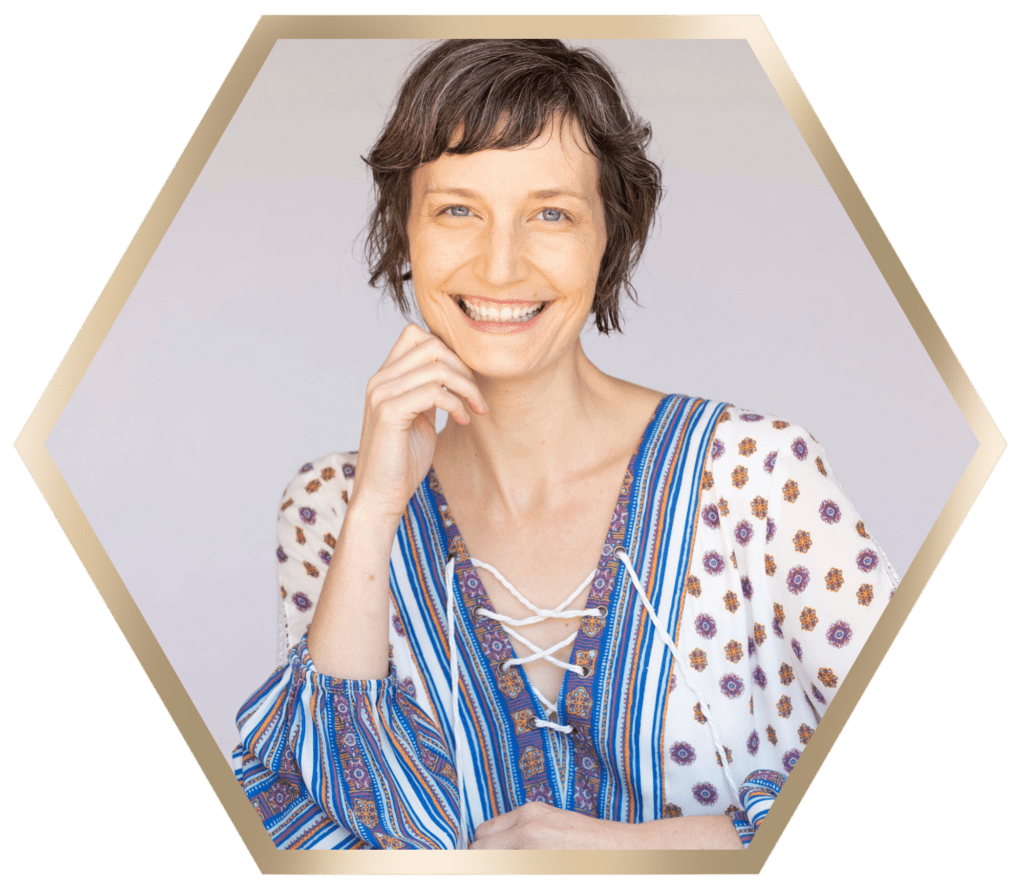
Skye Weaver is a mentor, teacher, consultant, facilitator, and public speaker whose work focuses on who we are being in the process of whatever it is we are doing. Her teachings revolve around earth medicines, ethical facilitation, somatic healing, and radical self-care in leadership. She’s a lead facilitator & educator with The Center for Medicinal Mindfulness, resident facilitator at DoubleBlind Magazine, faculty for EN’s Integration Certification, integration specialist for InnerSpace Integration, and offers legal medicine journeys, integration coaching & mentorship, both 1:1 and in groups.
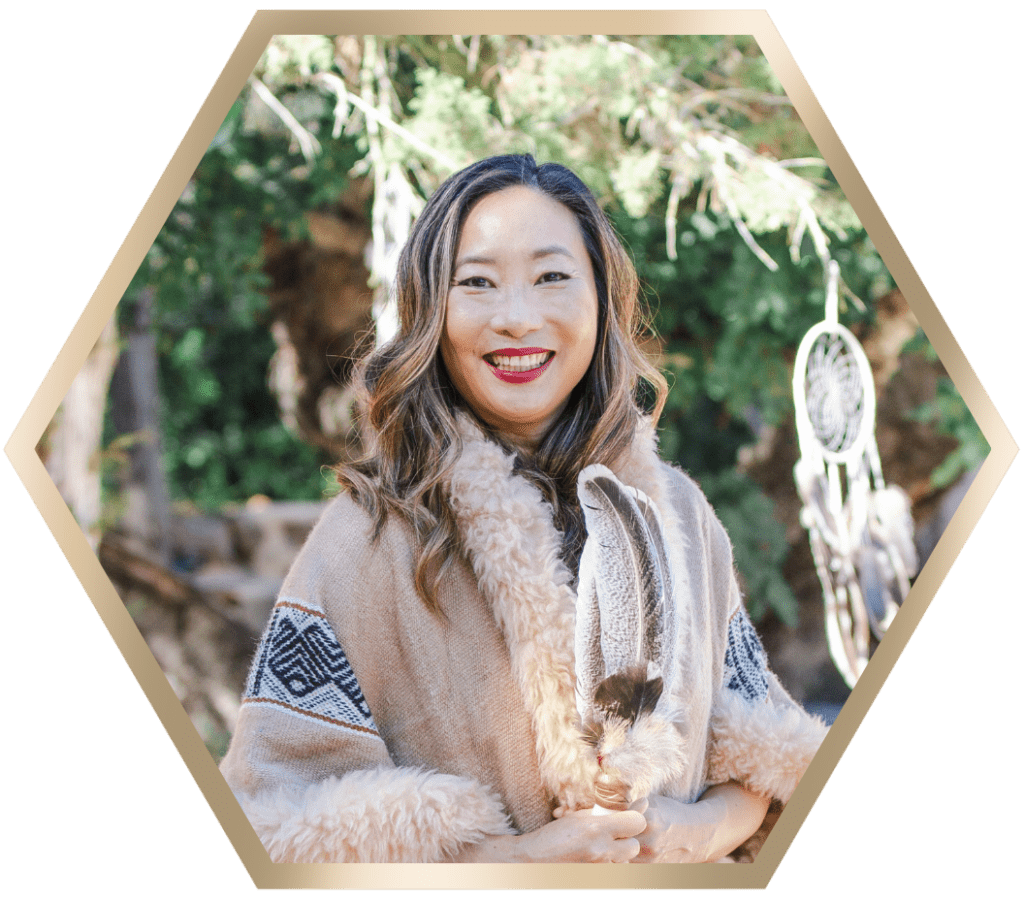
Lorna Liana is the CEO of EntheoNation, a psychedelic media company and educational platform offering workshops, programs, and 1-to-1 mentoring to emerging leaders of the Psychedelic Renaissance. She is also the Founder of The Plant Spirit School Integration Coach Certification Program, which helps plant medicine people become confident, trauma-informed integration specialists so that they can grow a thriving vocation in the psychedelic sector.
