
Psychedelic experiences can offer profound insights, emotional breakthroughs, and new perspectives on healing. Yet one of the greatest challenges for practitioners is helping clients translate those experiences into meaningful, lasting change. This is where Internal Family Systems (IFS) therapy has emerged as one of the most valuable tools in psychedelic integration. By helping clients understand and relate to the different parts of themselves with curiosity and compassion, IFS provides a practical framework for preparation, navigation, and integration before and after a psychedelic experience.
How Internal Family Systems Therapy Supports Psychedelic Preparation
Preparation is one of the most important stages of psychedelic work, yet it is often overlooked. Many clients approach ceremonies with a mix of excitement, hope, fear, uncertainty, and resistance. While one part may be seeking healing, another may feel apprehensive about vulnerability, emotional pain, or loss of control. These internal dynamics can significantly influence how a person experiences a ceremony.
“This is something that, in order for us to really work with, has got to become an embodied practice.” – Natasha Anand Boojihawon
IFS therapy helps practitioners identify and work with these protective responses before a ceremony begins. Rather than viewing resistance as a problem to overcome, the model recognizes that every part serves a purpose. By helping clients build awareness of and trust with these parts, practitioners can support greater emotional readiness, nervous system regulation, and psychological safety throughout the preparation process.
Why IFS Therapy Helps Clients Navigate Challenging Experiences
Psychedelic experiences can bring buried emotions, memories, and beliefs to the surface. While this can create opportunities for healing, it can also feel overwhelming when clients encounter fear, grief, shame, sadness, or confusion. Without a supportive framework, these experiences may be difficult to process in the moment.
“Often, our protective parts need time to be able to trust us more. And this is why the integration space is really important.” – Natasha Anand Boojihawon
One of the reasons IFS therapy works so effectively within psychedelic integration is that it teaches clients to develop a compassionate relationship with what arises. Rather than becoming consumed by difficult emotions, they learn to recognize them as parts of themselves seeking attention and care. This perspective can help clients stay connected to a deeper sense of presence and self-awareness while supporting emotional resilience throughout the experience.
- Are you a coach, therapist, plant medicine practitioner, ceremony guide, or healing professional seeking deeper ways to support lasting transformation?
- What could become possible for your clients if you could skillfully navigate challenging psychedelic experiences with greater compassion and clarity?
- Are you ready to deepen your parts work practice and enhance how you hold space for healing, integration, and self-led empowerment?
Natasha Anand Boojihawon draws on 17 years of self-mastery, integrating IFS, psychedelics, somatics, naturopathy, and Himalayan Yog-Vedantic traditions.
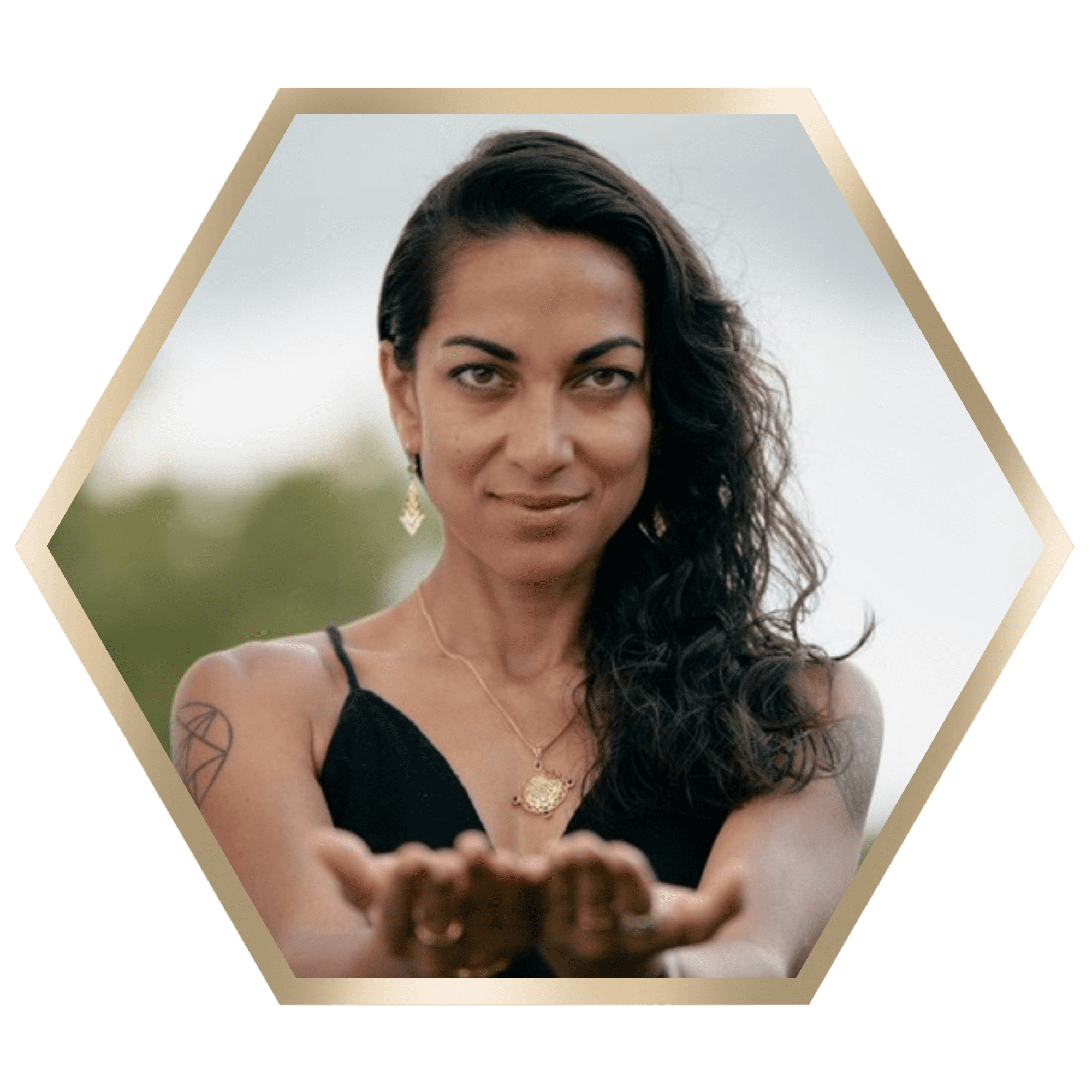
Discover more about how Internal Family Systems and plant medicine can support deeper healing, integration, and radical presence.
Transform your practice with Internal Family Systems & Plant Medicine Ceremonies by Natasha Anand Boojihawon to deepen your understanding of parts work, strengthen integration skills, and cultivate greater self-led empowerment.
How Parts Work Therapy Creates Lasting Integration and Growth
The most meaningful transformation often happens after the ceremony has ended. Without effective psychedelic integration, even powerful insights can fade over time. Clients may understand their experience intellectually but struggle to translate those realizations into lasting behavioral change.
“And so often I’m just reminding my clients just to witness, just remember to witness, to come back into the witnessing.” – Natasha Anand Boojihawon
Through parts work therapy, clients can explore which parts emerged during a ceremony, what those parts were communicating, and what support they need moving forward. This ongoing process deepens self-awareness and helps individuals develop a stronger relationship with their internal world. For practitioners, cultivating awareness of their own internal systems can also strengthen presence, improve boundaries, reduce projection, and enhance their ability to hold space ethically and compassionately.
Internal Family Systems therapy has become a leading psychedelic integration tool because it offers a compassionate, trauma-informed framework for understanding the complexity of the human experience. By helping clients build relationships with the different parts of themselves, IFS supports deeper self-awareness, emotional resilience, and sustainable transformation. For aspiring and experienced plant medicine practitioners alike, it provides a valuable approach to preparation, navigation, and integration while promoting the safety and care that are essential to responsible psychedelic practice.
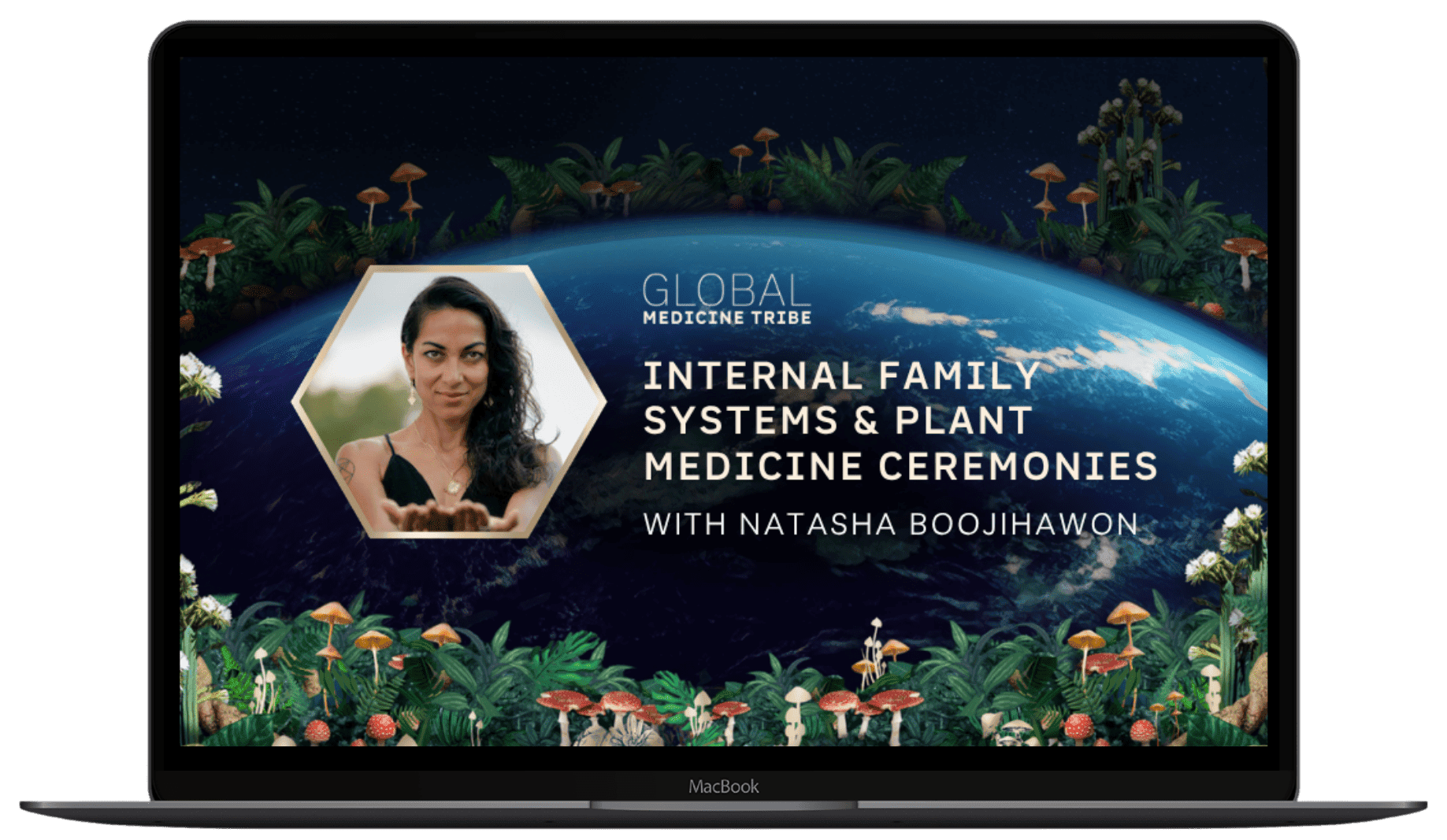
Internal Family Systems & Plant Medicine Ceremonies
Learn how Internal Family Systems and sacred plant medicines can help create stability, peace, and radical presence.
Discover how this powerful combination can deepen transformation, reduce harm, and support profound integration.
What You’ll Learn
🌿 What Internal Family Systems is and how it empowers you to heal the parts of yourself that have become dysregulated, frozen in time, or fragmented
🌿 The magic that happens when you merge IFS with psychedelic and plant medicine work
🌿 How to maintain your position as the navigator and master of your world, even when there are challenging aspects to journey through, both in and out of ceremony
About the Facilitator
Natasha Anand Boojihawon has been on a journey of self-mastery over the last 17 years. Her practice draws on the Himalayan Yog-Vedantic tradition, Internal Family Systems, Coaching, Naturopathy, Psychedelics, Bodywork, Somatic practices, several Energy Medicine lineages, and Conscious Community Development.
Her mission is to guide spaceholders on their path of self-mastery through integrative medicine, personal therapy, supervision, and teacher training. She uses a process of evolving the current paradigm of holistic health and wellness education.
