
If you are guiding others through plant medicine experiences, you already understand something important: ceremony is only one part of the work.
The real foundation of a safe and transformative retreat lies in the integrity of the container and the people holding it. Understanding the role of an Ayahuasca shaman is essential for any practitioner who wants to lead plant medicine retreats that are ethical, trauma-informed, and culturally respectful.
When you get this right, everything else becomes more sustainable.
Ayahuasca is a psychoactive brew traditionally made from the Banisteriopsis caapi vine combined with a DMT-containing plant such as Psychotria viridis. It can catalyze profound insight, emotional release, and spiritual awakening. It can also destabilize an unprepared nervous system.
For aspiring and experienced facilitators alike, recognizing the depth of responsibility carried by ceremonial leadership is central to creating safe and sustainable plant medicine retreats.
This is not about titles.
It is about stewardship.
Lineage-Based Healing and Indigenous Healer Training
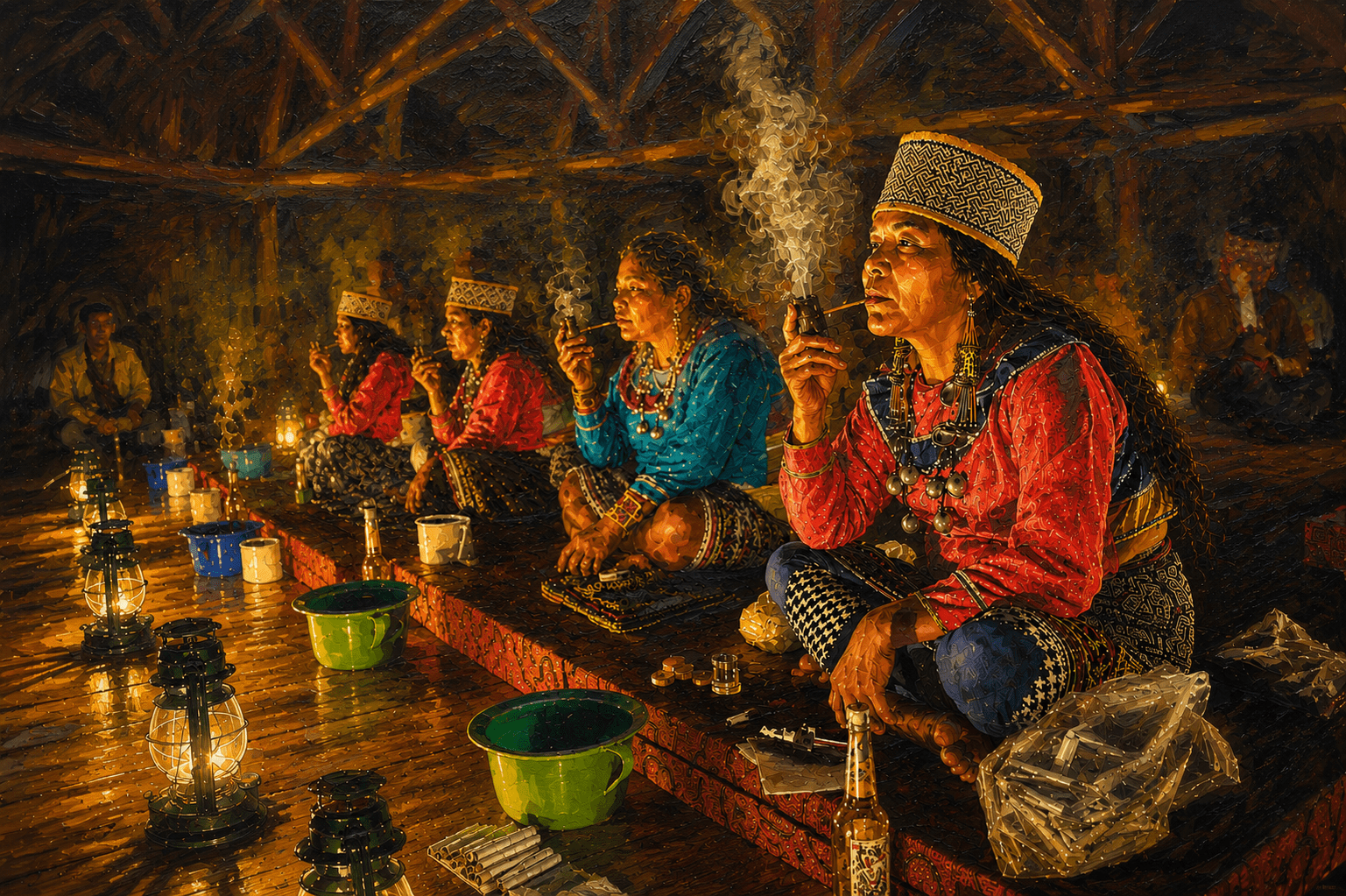
In traditional Amazonian contexts, becoming an Ayahuasca shaman involves years, often decades, of training as an Indigenous healer.
This process is rooted in lineage-based healing, where knowledge is transmitted through apprenticeship rather than short-term certification. Apprentices undergo strict dietas with master plants, follow rigorous dietary and behavioral guidelines, and train under experienced elders before holding a ceremony independently.
“Master plant teachers are forces of nature that require careful consideration and intentional approach.” – Melissa Stangl
Lineage-based healing emphasizes humility, discipline, and lived experience. It reframes ceremony as sacred stewardship rather than a personal brand or performance.
For modern retreat leaders and facilitators, understanding this model helps you:
- Discern who you collaborate with
- Clarify your scope of practice
- Avoid cultural appropriation
- Build reciprocal, ethical partnerships
Cultural respect includes fair compensation, transparent agreements, reciprocity with Indigenous communities, and sustainable sourcing of plants. These are not optional values; they are structural commitments.
When your retreat ecosystem reflects these principles, participants feel the difference.
The Trauma-Informed Role of an Ayahuasca Shaman
“These medicines are sacred, potent, and powerful, and we are blessed to be able to work with them and have access to them.” – Melissa Stangl
Ayahuasca is often described as a teacher. Yet the medicine itself is not trauma-informed.
It acts as an amplifier, intensifying emotions, memories, and somatic experiences. For participants with unresolved trauma, this amplification can support healing when skillfully held. Without proper containment, it can overwhelm or re-traumatize.
A skilled Ayahuasca shaman regulates the ceremonial field through presence, song, and energetic attunement. They recognize signs of nervous system overload and know when to intervene.
As a retreat organizer or plant medicine facilitator, your responsibility complements this role through:
- Comprehensive intake screening
- Clear contraindications
- Thoughtful pacing of ceremonies
- Nervous system literacy within your team
- Emotional support during and after the ceremony
Trauma-informed retreat design does not remove intensity. It increases safety, choice, and trust.
When participants feel properly screened, prepared, and supported, surrender becomes safer, and transformation becomes more integrated.
- Are you a coach, therapist, or ceremony guide ready to deepen your stewardship and lead plant medicine spaces with greater integrity?
- Are you seeking to refine your trauma-informed skills and strengthen the container you hold for transformational work?
- Do you feel called to expand your retreat leadership in ways that honor lineage, reciprocity, and long-term integration?
Melissa Stangl, Founding Partner and Co-Steward of Soltara Healing Center, works alongside Indigenous Shipibo healers, stewarding ethical, trauma-informed Ayahuasca retreats.
Understand the essential frameworks that make plant medicine retreats safe, ethical, and culturally respectful?
Creating and Choosing Plant Medicine Retreats: A Guide for Participants, Organizers, and Facilitators with Melissa Stangl offers the tools and frameworks needed to thoughtfully design, evaluate, and steward retreats rooted in integrity and trauma-informed practice.
Ethical Stewardship, Preparation, and Integration
The ceremonial night is only one phase of a responsible plant medicine retreat.
The role of an Ayahuasca shaman exists within a broader arc that includes preparation and integration. Without these phases, even profound experiences can remain ungrounded.
Preparation includes clear dietary guidance, education about cultural context, transparent communication about ingredients and sourcing, and psychological readiness conversations.
Ethical stewardship also means acknowledging ecological pressures on sacred plants and committing to sustainable sourcing practices that protect both land and lineage.
Integration is where insight becomes embodied.
After intense altered states, the nervous system requires time and support to recalibrate. Follow-up care, referrals to therapists experienced in psychedelic integration, and structured community support help translate insight into meaningful life change.
Plant medicine work is expanding rapidly. As access grows, so does the need for discernment and ethical leadership.
The role of an Ayahuasca shaman is not about authority. It is about stewardship, responsibility, and the careful tending of human vulnerability in altered states.
When you build retreats on lineage-based healing, trauma-informed care, and long-term integration, you strengthen both your participants and the wider field.
And that is what sustainable leadership looks like.
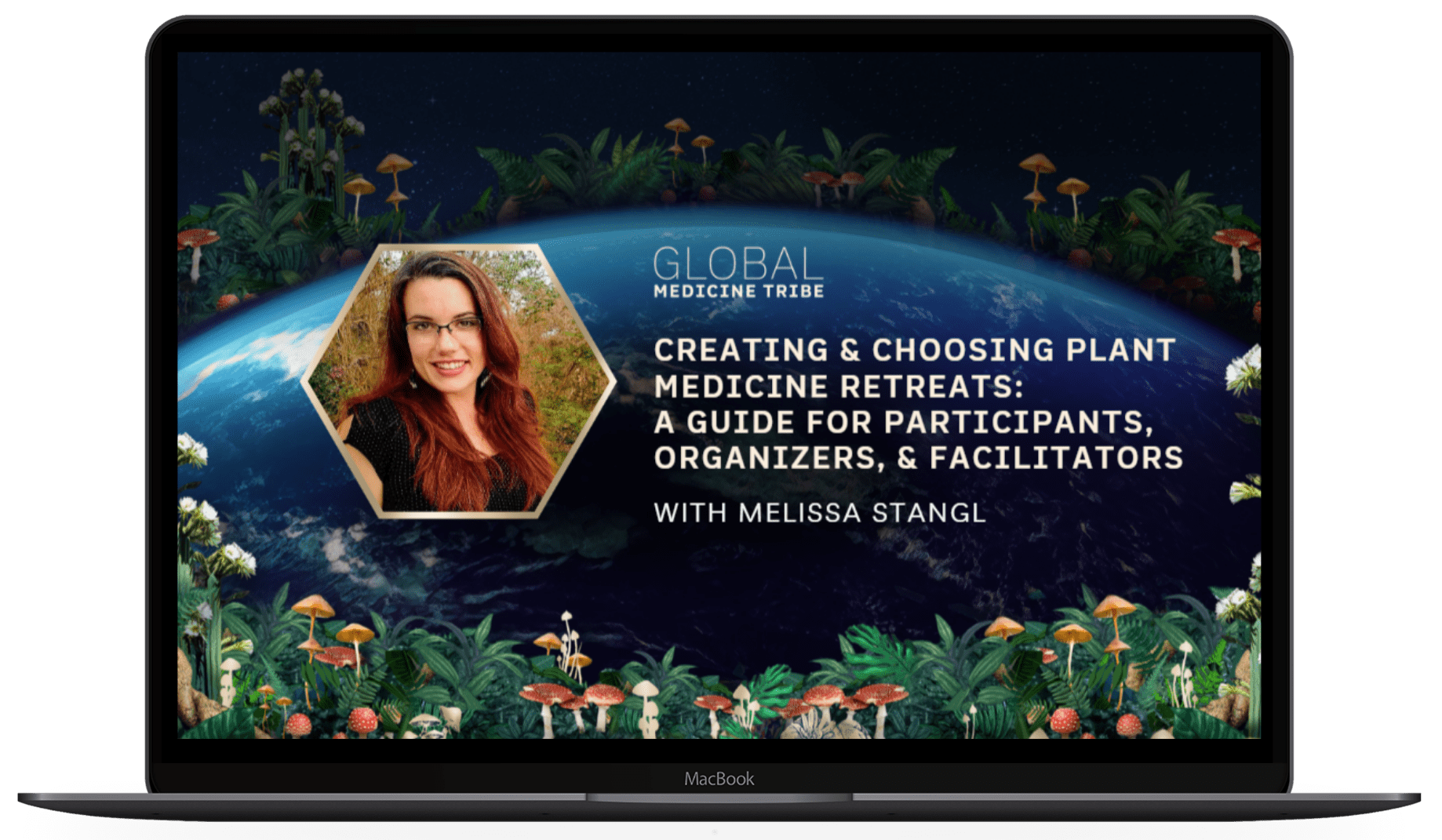
Creating and Choosing Plant Medicine Retreats: A Guide for Participants, Organizers, and Facilitators with Melissa Stangl
Are you seeking a clearer framework for choosing or creating plant medicine retreats that are safe, culturally informed, and transformative?
This comprehensive workshop outlines key considerations for retreat participants and facilitators, emphasizing safety protocols, cultural respect, and integration practices within plant medicine and psychedelic contexts.
What You’ll Learn
🌿Explore the critical questions to ask when choosing a plant medicine or psychedelic retreat and understand why these matter for safety and effectiveness.
🌿Learn how to integrate cultural respect and reciprocity into retreat planning and facilitation.
🌿Master key principles for preparation, ceremony facilitation, and post-retreat integration, ensuring safety, effectiveness, and alignment with diverse healing traditions and participant needs.
About the Facilitator
Melissa is a Founding Partner and Co-Steward of Soltara Healing Center, an Ayahuasca retreat center working with Indigenous Peruvian Shipibo healers, supporting people in becoming more fully embodied, integrated, and connected versions of themselves.
