
As a psychedelic practitioner, you’re committed to holding space with integrity, cultural awareness, and deep reverence for sacred medicines. But when it comes to sourcing hapé, a powerful Amazonian snuff made with tobacco and medicinal ashes, many are unsure how to do so responsibly. With the rise in popularity of plant medicines, the risk of exploitation, both ecological and cultural, is a real concern.
If you’re asking where to buy hapé, the answer should begin with a deeper question: how can I source this medicine in a way that honors its origins and ensures its long-term sustainability? This guide is designed to help you select hāpé that is ethically sourced, supports Indigenous communities, and aligns with your values as a facilitator or practitioner.
Why Ethical Hapé Sourcing Protects the Integrity of the Medicine
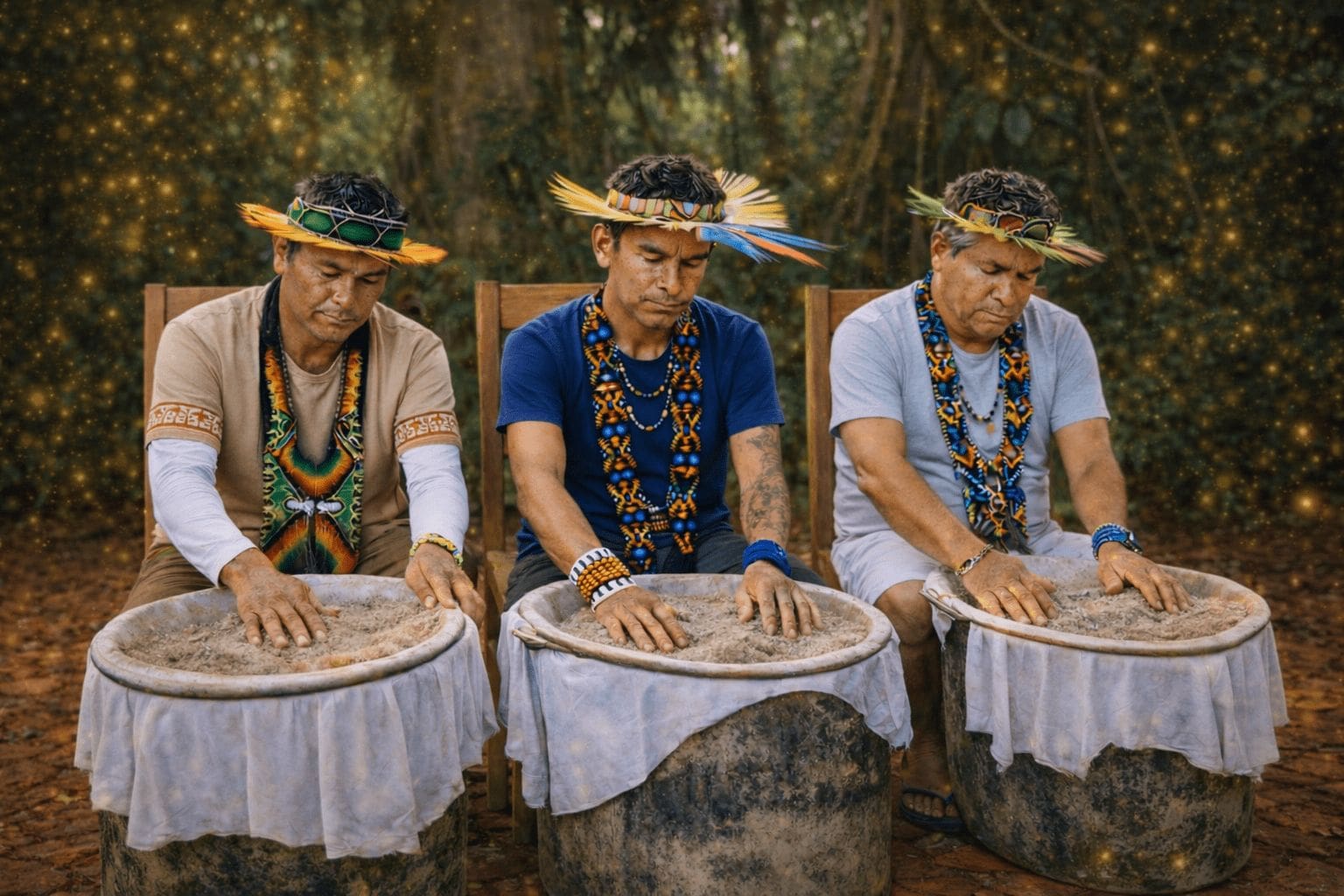
Hapé is not simply a product; it is a sacred tool born from the prayer, labor, and lineage of Indigenous tribes across the Amazon. Each blend is infused with ritual intention and created through processes passed down through generations. To buy hapé ethically means to respect that lineage and ensure it’s not being exploited for commercial gain.
Ethical hapé sourcing supports more than sustainability; it preserves the sacredness of the practice.
“Shamanic medicines cannot be mass-produced. Even though in FHU they may do a few kilos, it still can’t be fully mass produced because it loses its spiritual power.” – Aluna Lua
By working with Indigenous medicine suppliers who maintain traditional protocols and receive fair compensation, practitioners participate in reciprocity, not appropriation.
Sourcing from authentic, community-connected vendors helps prevent the dilution of hapé’s ceremonial value. It ensures that what you offer your clients is not just safe and effective, but also held in integrity.

Wondering how to move past the basics and connect deeply with the spirit of hapé?
Explore Hapé Medicine Initiation: A Guide to Healing & Transformation with Aluna Lua to receive trauma-informed training, cultural context, and heart-led facilitation practices that elevate your medicine path.
How to Identify Sustainable and Trustworthy Suppliers
With increasing global interest, hapé is now widely available online, but not all sources are trustworthy. To ensure the sustainable use of plant medicine, it’s essential to vet each supplier with care. Begin by researching whether they have direct relationships with Indigenous communities. Do they name the tribes or traditions from which the blends come? Are they transparent about their sourcing methods?
Ethical suppliers will usually reinvest in the communities they work with, supporting reforestation, land defense, cultural preservation, or healthcare. Look for this kind of long-term reciprocity. Also, pay attention to the language used. Responsible vendors speak with respect and clarity, avoiding sensationalized or generalized terms like “shamanic snuff.”
“By utilizing your privilege, you can practice sacred reciprocity and become a true ally of the Indigenous movement.” – Aluna Lua
Aluna Lua is a Brazilian Plant Medicine Facilitator, Integration Coach, and Entrepreneur who helps existing or aspiring psychedelic practitioners overcome self-doubt in their creative path and achieve professional fulfillment as bridge keepers of the Psychedelic Renaissance.
Why Buying Less, and With Intention, Matters
As a practitioner, it’s tempting to collect a wide range of hapé blends. But owning more doesn’t equate to a deeper connection. Practicing sustainable plant medicine means building a slow, intentional relationship with one or two blends. This allows you to understand their energetic effects, ceremonial applications, and how they interact with your clients’ needs.
Ethical sourcing is also about reducing waste and working in harmony with the Earth. Sustainable suppliers often use wildcrafted or agroforestry-grown plants harvested in harmony with natural cycles. Supporting these practices helps reduce pressure on endangered species and respects ecological limits.
Buying hapé ethically is not just about what’s in the jar; it’s about the entire journey of that medicine, from seed to ceremony. Less can truly be more when your intention is clear, your relationship is rooted, and your source is in integrity.
“Even if I had all of these ingredients accessible, which I don’t… I still prefer purchasing from them. Not only to support them, but also because the sacred act of making hape is so powerful.” – Aluna Lua
Every time you choose where to buy hapé, you shape the future of this medicine. By committing to ethical hapé sourcing, working with indigenous medicine suppliers, and supporting sustainable plant medicine practices, you not only protect sacred traditions, you also deepen your own role as a facilitator. Let your sourcing reflect your values, and allow each step of the process to be part of the healing path.
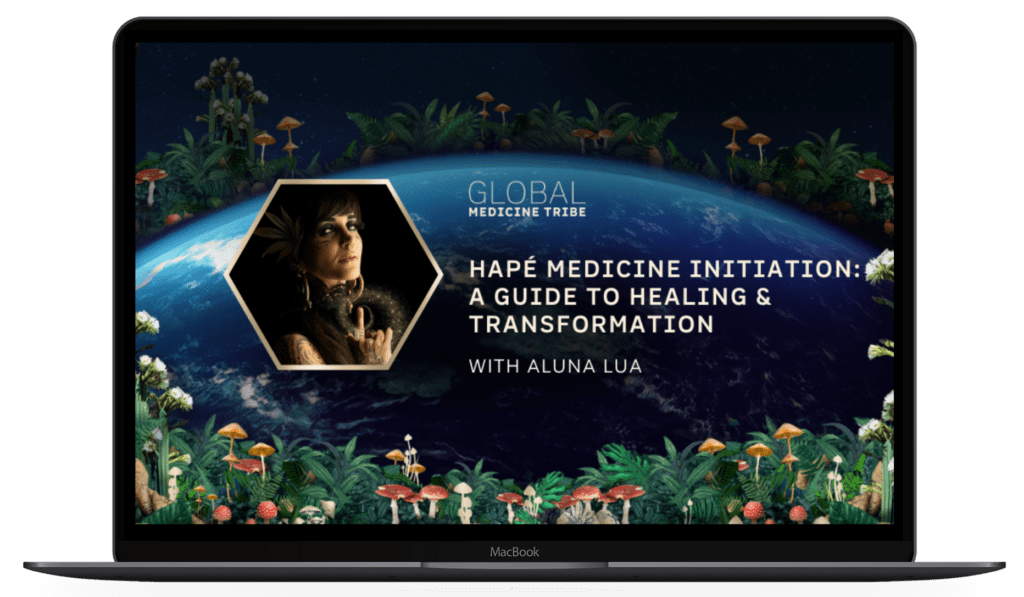
Hapé Medicine Initiation: A Guide to Healing & Transformation
Discover a deeper relationship with Hapé as a sacred medicine. This self-paced workshop will show you how to practice, facilitate, and educate others with integrity and reverence.
What You’ll Learn
🌿 Learn how to help clients build the right relationship with hapé while honoring and respecting Indigenous cultures.
🌿 Gain the skills to educate clients on integrating their hapé practice into their modernized lifestyle.
🌿 Learn how to administer trauma-informed hapé Ceremonies and incorporate harm reduction techniques into your own integration style.
About the Facilitator
Aluna Lua is a Brazilian Plant Medicine Facilitator, Integration Coach, and Entrepreneur who helps existing or aspiring psychedelic practitioners overcome self-doubt in their creative path and achieve professional fulfillment as bridge keepers of the Psychedelic Renaissance
